
The Saint Louis Zoo WildCare Institute
Did you know the Saint Louis Zoo is a world leader in saving endangered species and their habitats? Many of the animals you will see at the Zoo are threatened in the wild by shrinking habitats, disease and poaching. The need for conservation is greater than ever, with one vertebrate species disappearing from the Earth every day. Ultimately, we need to save the ecosystems on which animals and humans depend.
The Saint Louis Zoo WildCare Institute, with the support of its conservation partners, takes a holistic approach to troubled ecosystems by addressing three key ingredients in conservation success: wildlife management and recovery, conservation science, and support of the human populations that coexist with wildlife.
Fifteen Centers. One Goal.
The Saint Louis Zoo WildCare Institute, with the support of its conservation partners, takes a holistic approach to troubled ecosystems by addressing three key ingredients in conservation success: wildlife management and recovery, conservation science, and support of the human populations that coexist with wildlife.
-
 Center for American Burying Beetle ConservationLearn More
This Center and its partners are reintroducing zoo-bred American burying beetles for the first time ever in Missouri. We are following up on these reintroductions to measure their impact in local ecosystems
-
 Center for Asian Elephant ConservationLearn More
The wild Asian elephant population is threatened by habitat loss, fragmentation, human-elephant conflict, and poaching for its ivory, skin, and meat.
-
 Center for Avian Conservation in the Pacific IslandsLearn More
The efforts by the Saint Louis Zoo to save Pacific Island avian species began in 1994 when the Zoo joined forces with other organizations to form a group called the Pacific Bird Conservation Project.
-
 Center for Avian Health in the Galapagos IslandsLearn More
This Center studies the health of the unique birds in the Galapagos to prevent their extinction from diseases and trains Ecuadorian scientists and rangers to recognize and test for diseases.
-
 Center for Chelonian ConservationLearn More
Chelonians are threatened by habitat loss and fragmentation, the legal and illegal trade in wildlife, pollution, and infectious diseases.
-
 Center for the Conservation
of Congo ApesLearn MoreThe goal of this Center is to develop conservation policies and local leadership to ensure the long-term survival of chimpanzees and gorillas in the Congo Basin.
-
 Center for Ecuadorian Amphibian ConservationLearn More
The goal of this Center is to support Fundacion Jambatu's mission of conserving amphibians through the implementation of the Strategic Plan for the Conservation of the Ecuadorian Amphibians in Extinction Risk.
-
 Center for Conservation in the Horn of AfricaLearn More
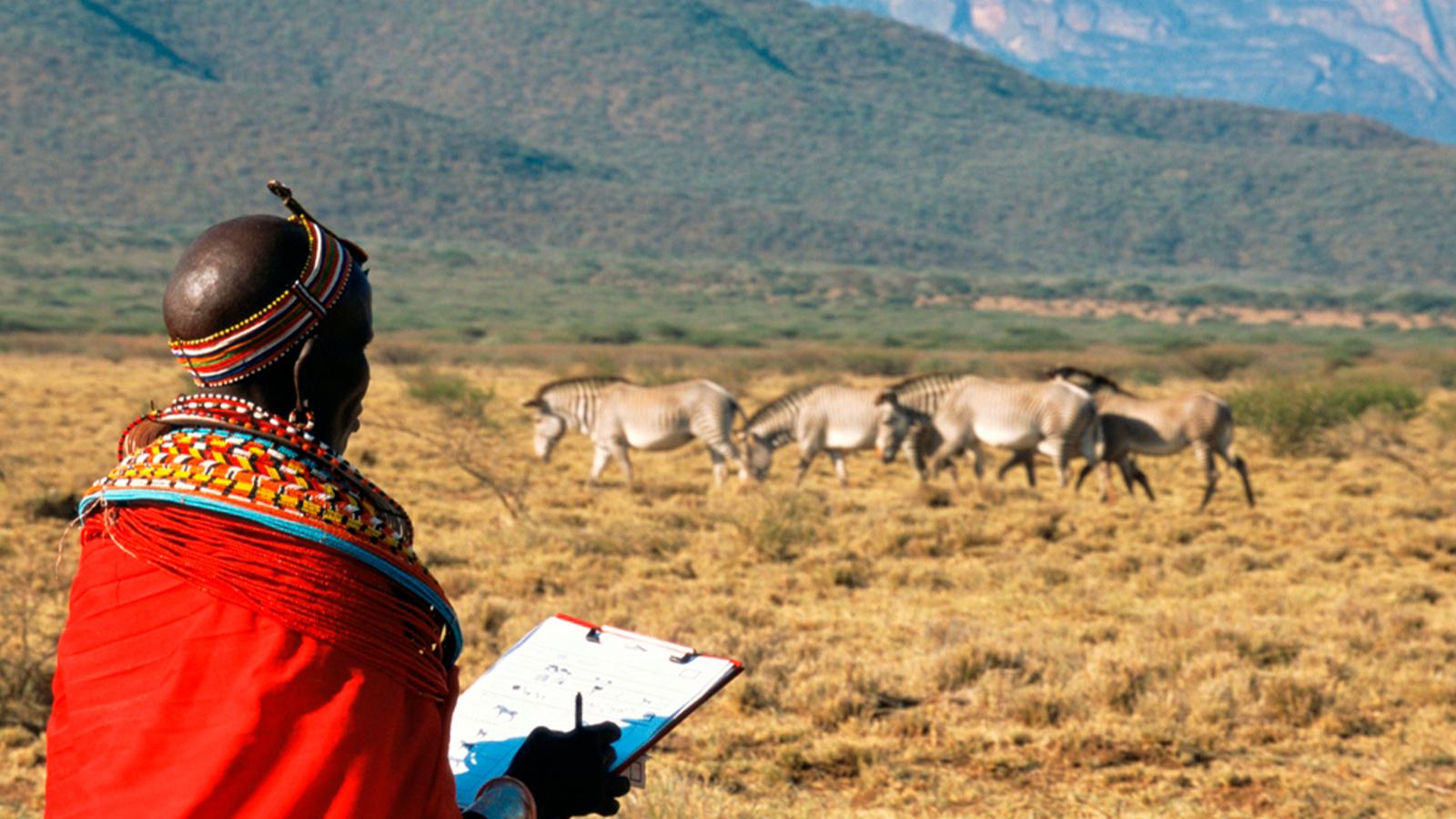
This Center helps raise awareness and support for the wildlife of the Horn of Africa - through cooperative ex situ conservation, research and education programs.
-
 Center for Conservation in MadagascarLearn More
This Center’s primary goal is to reduce direct pressures on Madagascar’s threatened and endangered species. The Center involves local rangers in the protection of the wildlife populations. Working with the local communities is a central focus.
-
 Center for Conservation in
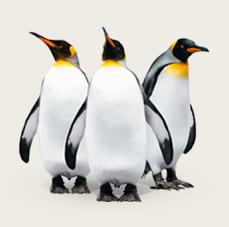
Punta San Juan, PeruLearn MoreThis Center is working to protect Humboldt penguins by establishing a breeding reserve for them, supporting biological studies and raising awareness of marine conservation issues.
-
 Center for Conservation in
Western AsiaLearn MoreThis Center is focused on conserving a number of species found nowhere else, including the Caucasian leopard, black grouse, Bezoar goat, Armenian mouflon, Kaiser’s spotted newt and multiple species of mountain and shield-headed vipers.
-
 Center for Native Pollinator ConservationLearn More
This Center focuses on the importance and diversity of native pollinators, especially native bees, for the maintenance and survival of wildlife, ecosystems and agriculture.
-
 Center for Polar Bear ConservationLearn more
The Center supports research, field work and outreach to help both wild polar bears in the Arctic and the people that live among them.
-
 Ron and Karen Goellner Center for
Hellbender ConservationLearn MoreThis Center, working with the Missouri Department of Conservation, breeds Ozark hellbenders in human care—a first for either of the two subspecies of hellbender (Ozark and eastern hellbenders).
-
 Saharan Wildlife Recovery CenterLearn More
This Center works to bring attention to the plight of Sahelo-Saharan wildlife and pursues sustainable solutions to address the decline of critically endangered addax and other species.
Conservation Programs
In addition to the Centers programs listed above, we support additional conservation programs support threatened or endangered species all over the globe.
Explore what we’re doing and how you can help below.
Indonesia is one of the world's biodiversity hotspots and three of its iconic species—anoa, babirusa and banteng— are threatened with extinction. The WildCare Institute supports Action Indonesia, which was created in 2016 to ensure the long-term survival of these imperiled species through a combination of ex situ (protecting species outside of natural habitats) and in situ (protecting species in natural habitats) activities. Action Indonesia formed the first ungulate Global Species Management Plans and is utilizing this unique framework to take meaningful steps to conserve these unique species.
Southeast Asia is home to a large number of turtle species, many of which are found nowhere else. As a result, this region is a hotspot of turtle diversity. Sadly, over 80 percent of Asia's turtle species are now threatened with extinction. Unsustainable collection of wild turtles for food, medicine and pets has caused the decline of many Asian species. Habitat loss, pollution and other threats also affect turtles in Asia. The critical situation for these species has been a major factor in turtles becoming one of the world's most threatened groups of vertebrates.
Although the future is still uncertain for many species, there is hope. Many dedicated organizations are working to save Asian turtles, including the Saint Louis Zoo. Since 2009, the Saint Louis Zoo WildCare Institute has helped fund the Turtle Survival Alliance (TSA). The TSA works globally to protect threatened turtles by restoring wild populations; creating sustainable, conservation breeding colonies; and supporting local communities. The TSA's conservation efforts in Southeast Asia include projects in Cambodia, China, Indonesia, Myanmar and Vietnam.
In 2019, the WildCare Institute furthered its commitment to Asian turtle conservation by establishing the Asian Turtle Conservation Program. This initiative provides continued support to the TSA and magnifies the Zoo's conservation impact by partnering with the Asian Turtle Program (ATP). Established in 1998, the ATP performs field surveys, law enforcement training, student training, community awareness and site-based conservation action in Vietnam. The ATP also operates the Turtle Conservation Centre, a rescue and breeding facility for threatened species in Vietnam.
These actions by the WildCare Institute complement efforts in the care and research of Asian turtles at the Zoo's Charles H. Hoessle Herpetarium. The Saint Louis Zoo was the first zoo in the U.S. to breed the McCord's box turtle, as well as the first U.S. zoo to house the giant Asian narrow-headed softshell turtle. Currently, Saint Louis Zoo staff lead five Species Survival Plans for Asian turtles through the Association of Zoos and Aquariums and collaborate on field research of the black-breasted leaf turtle in China. The Zoo's conservation efforts, both here and abroad, is helping to improve the outlook for Asian turtles.
Crocodiles are often identified as indicators of ecosystem health. They are both apex predators (animals at the top of the food chain with no natural predators) and habitat engineers (organisms that create, modify or maintain habitats).
In Cuba, there are two species of crocodiles: the critically endangered Cuban crocodile and the American crocodile. Cuban crocodiles only exist in the Zapata Swamp in the Matanzas province and in the Lanier Swamp on the Isle of Youth off the southern coast of Cuba. Current threats to both species include climate change, illegal hunting, habitat loss and hybridization (breeding between the two species).
The Cuban crocodile is arguably the most morphologically (form and structure of organisms), ecologically and behaviorally distinct species of crocodile in the world and has the smallest known range of any living crocodilian.
Since the early 1960s, the Zapata Crocodile Farm (ZCF) has managed breeding groups of crocodiles. Today they manage a genetically pure breeding group of Cuban crocodiles for reintroductions back into protected areas of the Zapata Swamp.
There are approximately 4,000 Cuban crocodiles at the ZCF and staff has been successfully breeding this species for decades. Like most reptile species, Cuban crocodiles are under-studied, and there have been no health studies of captive or free-living crocodiles in Cuba. Research to understand the health of this species, including infectious disease and nutrition, is important when it comes to managing captive populations and releasing captive crocodiles back into their historic range.
Beginning in 2018, in part due to the Association of Zoos and Aquariums’ Conservation Grant Fund, a team comprised of staff from four U.S. zoos, led by the Saint Louis Zoo, conducted the first health assessment of crocodiles at the ZCF.
In 2019, the Saint Louis Zoo WildCare Institute developed the Crocodile Research and Conservation in Cuba Program. This program helps support the conservation efforts of the dedicated and passionate Cuban biologists who have been working on conserving crocodiles for decades. A collaborative effort led by Saint Louis Zoo Herpetology Department and the Saint Louis Zoo Institute for Conservation Medicine is taking a One Health approach to Cuban crocodile conservation by investigating the health of crocodiles and their environment, which they share with the Cuban people. (One Health recognizes that the health of people is connected to the health of animals and the environment.)
This program is in collaboration with the Wildlife Conservation Society Bronx Zoo, the Smithsonian’s National Zoological Park and Cameron Park Zoo.
HUTAN, a French NGO created by Drs. Marc Ancrenaz and Isabelle Lackman, has been operating in Sabah, a Malaysian state in the northern part of Borneo, since 1998. Their primary area of operation is the lower Kinabatangan floodplain, a biodiversity hotspot, harboring a remarkable diversity of wildlife including iconic species such as the Bornean orangutan, proboscis monkey, Bornean gibbon, Bornean elephant, clouded leopard, sun bear, eight species of hornbills, and a wide array of primates, birds, and other amazing animal and plant life. HUTAN staff operate in many projects, including the orangutan research unit, elephant and hornbill conservation teams, swiftlet recovery group, reforestation unit, wildlife survey and protection teams, and environmental education programs; all of which research and conserve wildlife, and work with people and industries to foster peaceful sharing of the habitats. The Saint Louis Zoo WildCare Institute began supporting HUTAN in 2005 with the opening of the Donn and Marilyn Lipton Fragile Forest at the Saint Louis Zoo. The Zoo provides integral core program support, plus funding to help with primate surveys and monitoring orangutan corridor use including by bridges over manmade tributaries of the Kinabatangan River.
Many North American songbird populations are in drastic decline. In fact, it is estimated that we have lost approximately 2.9 billion songbirds throughout the U.S. and Canada since 1970.
The North American Songbird Program seeks to raise awareness of the threats to songbirds, such as building collisions, free-roaming cats and light pollution. The Saint Louis Zoo is also a North American Songbird SAFE (Saving Animals From Extinction) program partner. The SAFE program harnesses the collective expertise of zoos and their resources to save species and promote conservation efforts.
Endemic to the Democratic Republic of the Congo, the okapi is an elusive relative of the giraffe. Even today, the okapi largely remains a mystery to the outside world. For 27 years, the Zoo and the WildCare Institute have been dedicated to the care of okapi in zoos and in the wild. For okapi in human care, the Zoo has long been an active participant in the Association of Zoos and Aquariums Okapi Species Survival Plan. For okapi in the wild, the WildCare Institute supports the Okapi Conservation Project. Initiated in 1987, the Okapi Conservation Project works to secure a protected area for okapi in one of the most biologically diverse places on Earth, the Ituri Forest. It also supports local communities by training and equipping wildlife guards, providing community assistance (clean water, medical services, school supplies, etc.) to the people living next to the reserve, and offering conservation education.
Each year, the WildCare Institute sponsors World Okapi Day celebrations in St. Louis and in the Democratic Republic of the Congo. At the Zoo, keepers share okapi conservation messages with visitors, while in Africa, educational programming and 10K World Okapi Day races are sponsored in five different villages within the okapi's range. The WildCare Institute sponsors the community of Niania, while other international zoos sponsor races in Epulu, Mambasa, Wamba and Mungbere. Thanks to the World Okapi Day events, an estimated 15,000 children and adults participate across the four territories each year. This World Okapi Day community celebration is an innovative way to create lasting excitement for protecting the wild okapi.
Partula snails once populated the South Pacific Islands, from Palau to the Society Islands, including Tahiti and Moorea. These snails, however, experienced a devastating decline when the predatory rosy wolf snails (Euglandina rosea) were introduced to the islands in the 1970s as a form of biological control. In the 1980s, scientists began to notice the rapid decline of Partula snails and zoos began to create ex situ (protecting a species outside its natural habitat) assurance populations. In 1990, the Zoo initiated the Partula Species Survival Plan (SSP) to manage the Partula populations on a national scale, and Zoo staff coordinated the plan until 2006. Since 2012, both the species coordinator for the Partula SSP and the regional studbook coordinator have been Zoo staff. The Zoo also works closely with the International Partula Programme Conservation (IPPC), coordinated by the Zoological Society of London, which is involved in breeding programs for 25 15 Partula species in 156 zoos, together with field work in the species range. Through this cooperative effort, the WildCare Institute has provided funding for staff, equipment for field surveys, the construction and monitoring of predator exclusion reserves, and reintroduction efforts. In 2015, the Zoo sent 140 individual snails to the London Zoo, where the snails received a thorough health screening before being reintroduced in Tahiti. In 2017 and 2019, Zoo Invertebrate Keepers Glenn Frei and Renee Hazen went to Tahiti to assist in the reintroduction of additional zoo-raised snails and to conduct surveys with the IPPC field researcher.
Some of the largest remaining swaths of South America’s Atlantic Forest is found in the province of Misiones of northeastern Argentina. This ecosystem is a biodiversity hotspot that’s home to endangered and threatened carnivore species including jaguar, puma, ocelot and bush dogs.
The WildCare Institute in 2024 formed the Program for Conservation in Misiones, Argentina to support Dr. DeMatteo’s efforts to make a “Green Corridor” of protected multi-species habitats in Misiones a reality. Over half of this area is today privately owned and under threat from increasing population density and development.
The Zoo lends institutional support to Washington University biologist Dr. Karen DeMatteo whose work supports landowner outreach, antipoaching patrols and biodiversity studies aimed at protecting the region’s wildlife.
Journeys Magazine
Read the 2024 Journeys Magazine featuring highlights of animal care and conservation around the world.
You Can Make a Difference
To learn more about the Saint Louis Zoo WildCare Institute, contact:
Elizabeth (Lisa) Kelley
Executive Director, WildCare Institute
(314) 646-4958
Lkelley@stlzoo.org
For media information, contact:
Billy Brennan
Director, Public Relations & Government Affairs, Saint Louis Zoo
(314) 646-4633
Brennan@stlzoo.org
For information on donations, contact:
Kim Lovings
(314) 646-4691
Donation@stlzoo.org