
Saint Louis Zoo Polar Bears
The Saint Louis Zoo is home to two polar bears residing at McDonnell Polar Bear Point. See their stories below.
Meet Laerke
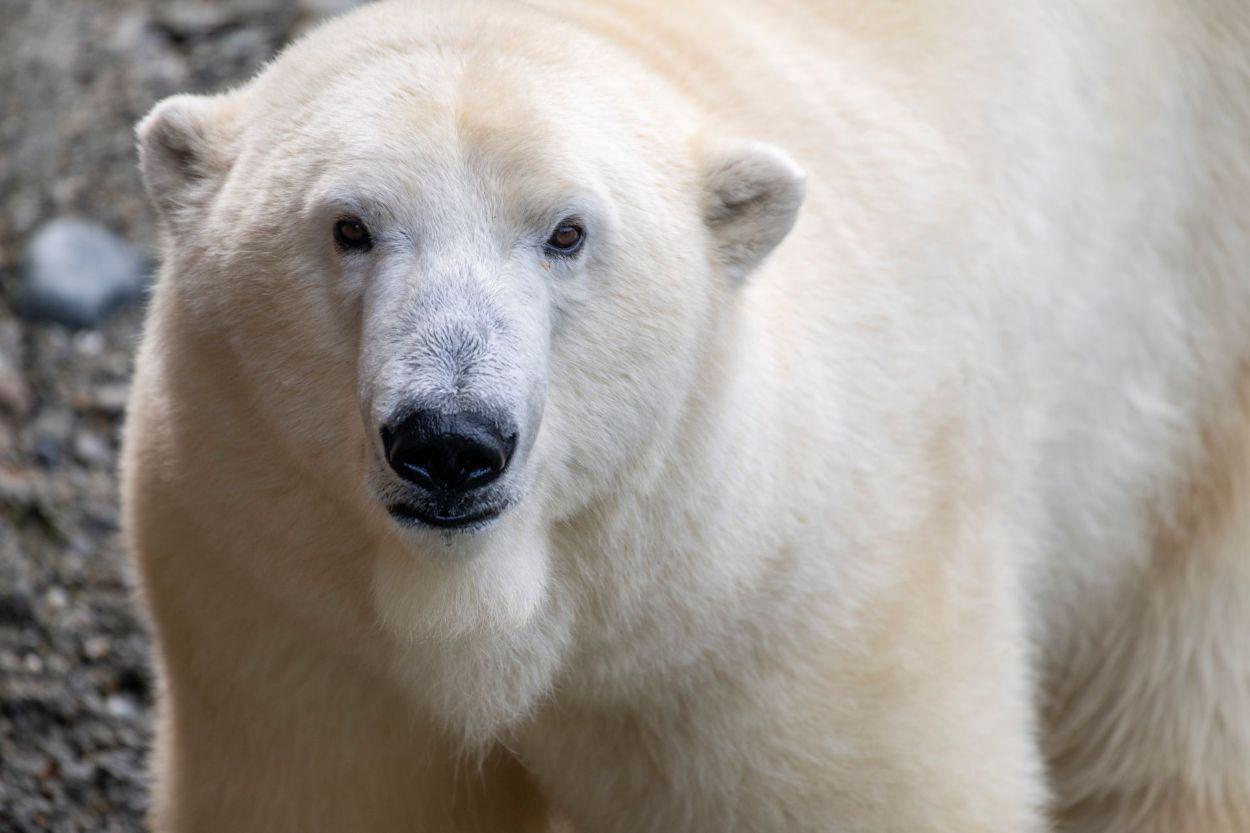
The Saint Louis Zoo welcomed female polar bear Laerke (pronounced LAIR-keh) to Polar Bear Point in November 2026 from Point Defiance Zoo & Aquarium in Tacoma, Washington. She is the first female polar bear at the Saint Louis Zoo in over 17 years and the first female at Polar Bear Point since it opened in 2015.
Laerke moved to St. Louis as part of a comprehensive species recovery plan by the Polar Bear Population Alliance (PBPA)—a new consortium of Association of Zoos and Aquariums (AZA)-accredited organizations focused on maintaining a sustainable, genetically diverse polar bear population in the United States.
As part of urgent species recovery efforts, the PBPA identified nearly 4-year-old Zoo resident male polar bear Kallu as a strong match to help Laerke develop social and breeding skills with the hope of welcoming cubs someday. At nearly 6 years old, she is now entering the reproductive stage of her life and will be one of only 13 reproductive female polar bears in North America.
Meet Kallu
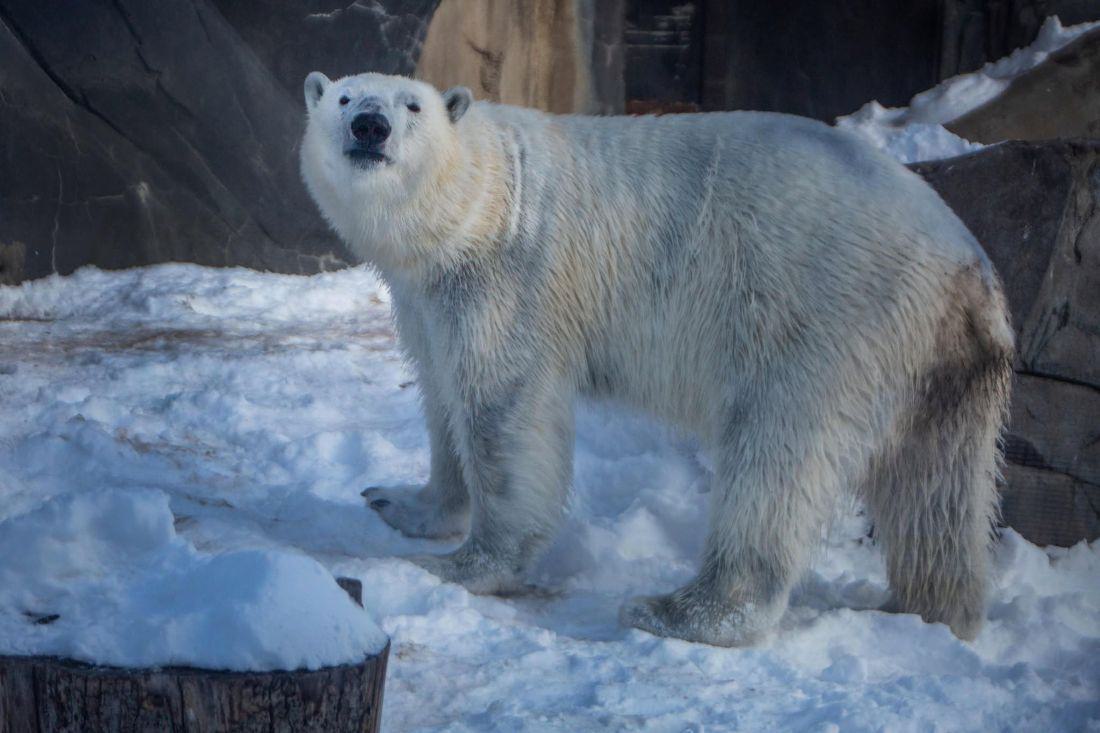
Kallu and his twin brother Kallik were born at Toledo Zoo & Aquarium on Nov. 11, 2022, and moved to the Saint Louis Zoo in March 2025. As the brothers reached an age where they would naturally seek more independence, Kallik moved to the Oregon Zoo in January 2026.
Kallu now weighs between 900 and 950 pounds depending on the season, and his care team describes him as a smart, calm, curious and playful bear.
PBPA Polar Bear Species Recovery Plan
The following information is provided by the Polar Bear Population Alliance, a new consortium of AZA-accredited organizations focused on maintaining a sustainable, genetically diverse polar bear population in the United States.
Polar bears face significant conservation challenges, including climate change and habitat loss, making every breeding opportunity important. The PBPA works closely with a population genetics expert to help ensure science-based breeding and transfer recommendations that prioritize individual animal wellbeing and the long-term health of the population. In a small population, bears may share ancestry, limiting options for unrelated pairings and making careful genetic planning essential.
The recommendation to pair Laerke and Kallu followed careful consideration of their biological relationship, individual health and practical factors, including the limited number of available males, their ages, sizes and temperaments, and available denning space.
As Laerke enters her prime reproductive years, opportunities to develop social and breeding skills are an important consideration. While her relationship to Kallu is a factor, it does not automatically preclude them from producing healthy cubs. Future pairings with unrelated mates can help manage shared ancestry across generations and support genetic diversity.
Each recommendation balances genetic considerations, animal welfare and reproductive opportunities, with the goal of supporting a healthy, sustainable population for future generations.
Difficult Beginnings for Laerke
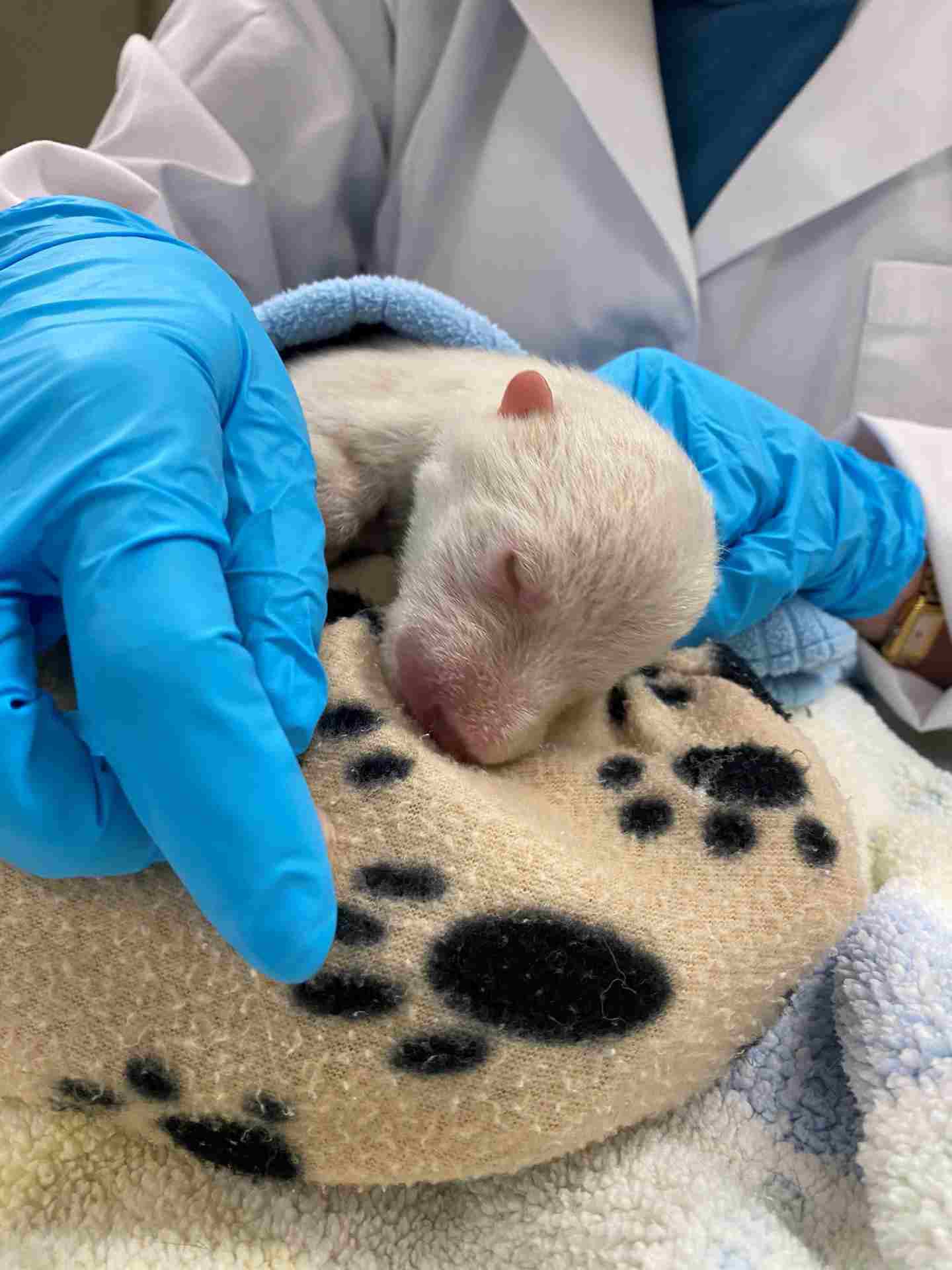
Laerke had an unusually difficult start in life. Following a medical emergency shortly after her birth at Detroit Zoo on November 17, 2020, Laerke faced ongoing health issues which required intensive, hands-on care and was ultimately hand-reared by the professional care team at Detroit Zoo.
At about 9 months old, she was paired with an orphaned grizzly bear cub to help build social skills and gain companionship.
Laerke and her twin sister Astra were reunited at age 2 and moved together to Point Defiance Zoo in 2023.
Laerke Today
Thanks to excellent care from Detroit and Point Defiance zoos, Laerke has fully recovered from the health issues she faced as a cub. At 6 years old, she is now entering the reproductive stage of her life.
Female polar bears become reproductively mature between 4 and 6 years old. Even though Laerke was hand-reared, her care team hopes her journey to motherhood will be instinctual. Zoo veterinarians have monitored Laerke’s hormone levels for the past year, which indicate she has started estrus cycling.