The Saint Louis Zoo will bid farewell this fall to longtime resident, male Asian elephant Raja.
Raja, age 33, will move to another Association of Zoos and Aquariums (AZA)-accredited zoo based on a new breeding recommendation from the AZA Asian Elephant Species Survival Plan (SSP). His destination will be announced later, in coordination with the receiving zoo.
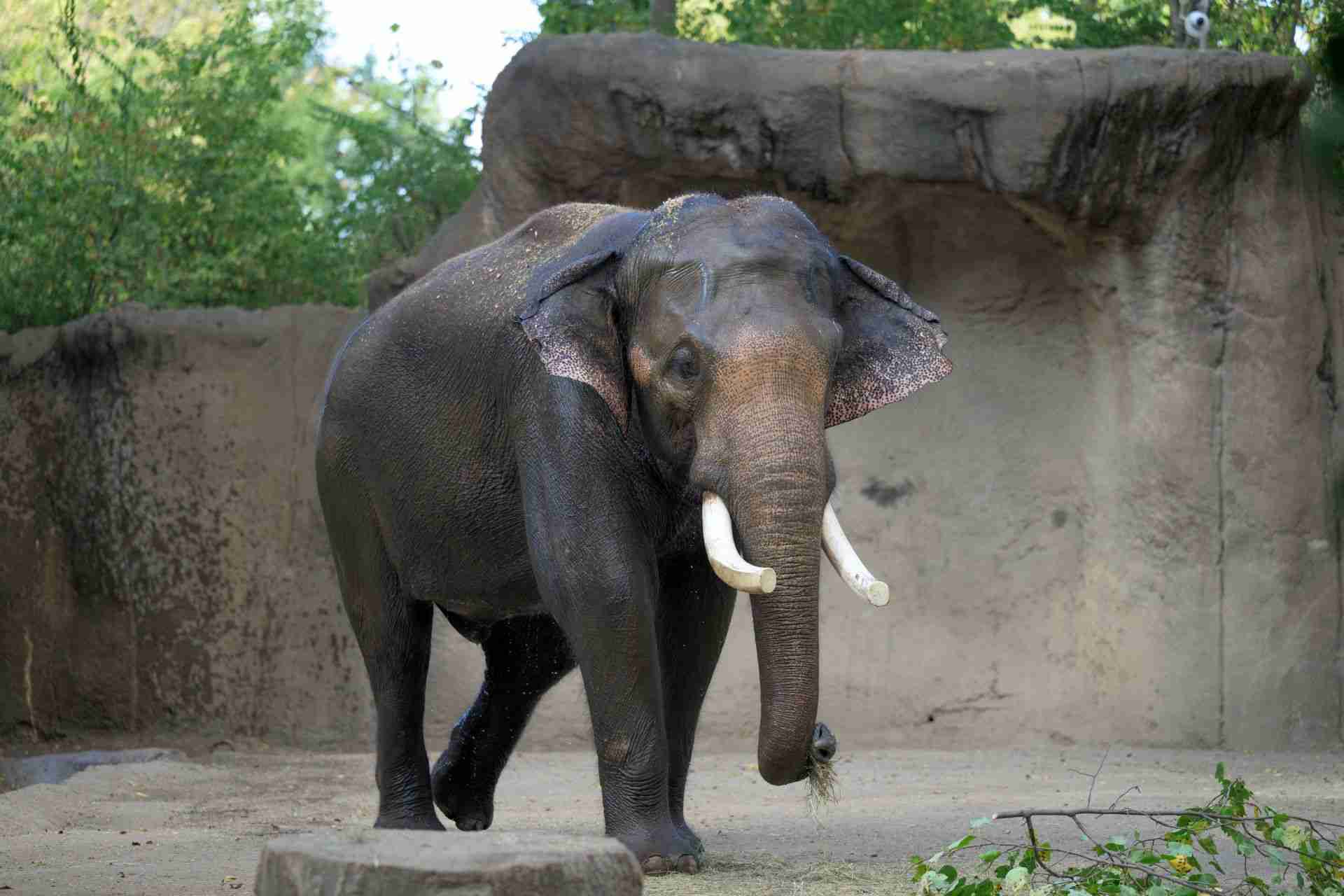
Following Raja's departure, the Zoo plans to welcome 18-year-old male elephant Samudra from Oregon Zoo in 2027. Samudra was identified as a good match for the Saint Louis Zoo's female herd by the AZA's Asian Elephant SSP.
The Asian Elephant SSP is a cooperative breeding and management program responsible for maintaining a genetically healthy and sustainable population of Asian elephants in North American, AZA-accredited zoos. Raja and Samudra's upcoming moves are critical steps forward for conservation efforts to protect this endangered species.
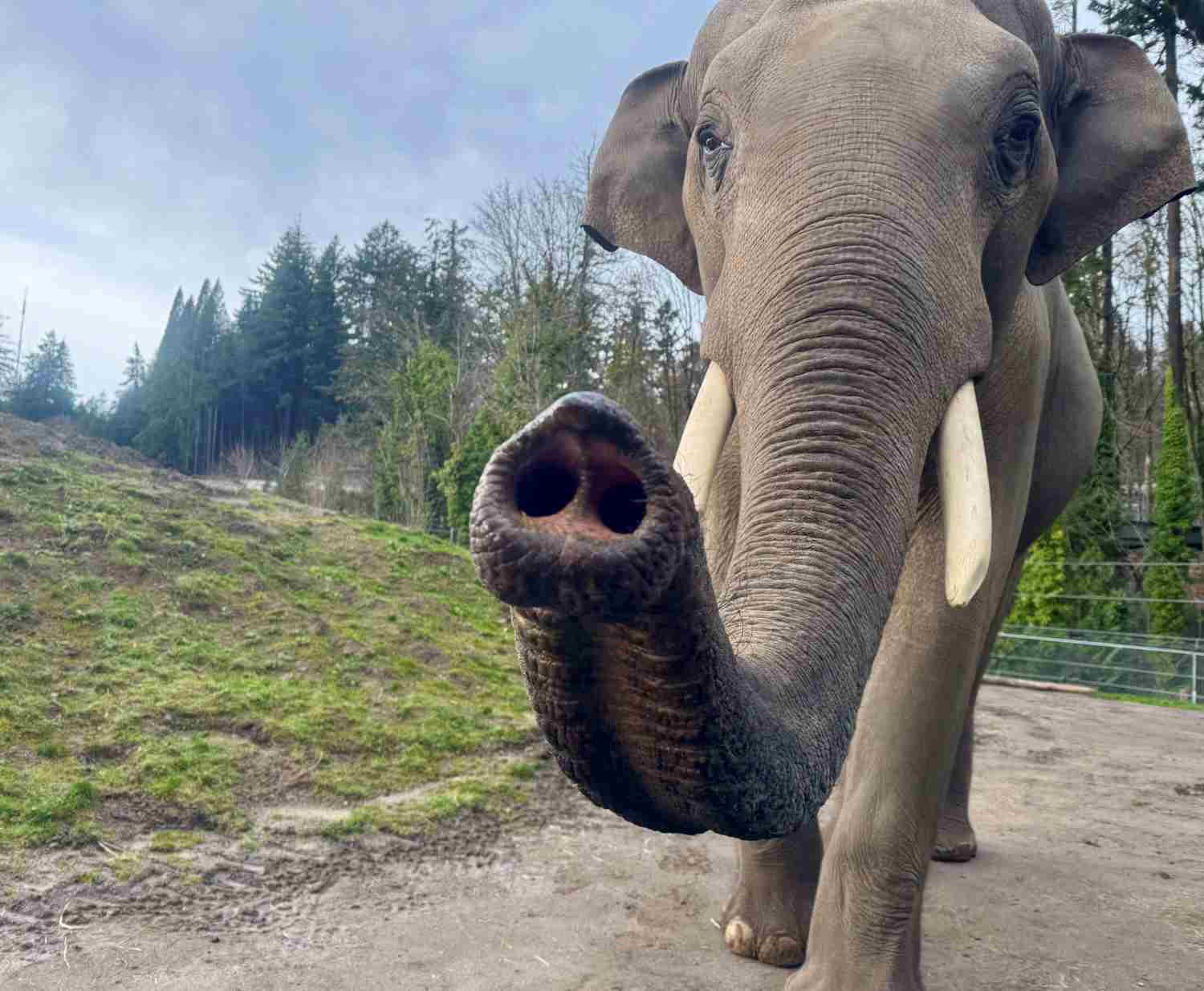
Raja was the first elephant ever born at the Saint Louis Zoo amid fanfare on Dec. 27, 1992. He soon became a St. Louis icon and a father to three daughters born at the Zoo.
"Raja is beloved in St. Louis and leaves a legacy that lives on in our multigenerational elephant family," said Katie Pilgram-Kloppe, Curator of Mammals/Ungulates and River’s Edge at the Saint Louis Zoo. "While we're sad to see him leave, we’re thrilled that he and Samudra have the chance to start new families and contribute to their endangered species. After years of preparation, our top priority today is ensuring a safe and smooth transition for both males.”
The Zoo originally announced in December 2023 a preliminary breeding recommendation for Raja to move to the Columbus Zoo and Aquarium. However, following further evaluation of elephant herd dynamics at the Columbus Zoo, where the herd now includes two calves, as well as facility considerations, plans for the transfer were reconsidered. Raja subsequently received an updated breeding recommendation this year to pair with female elephants at another accredited zoo.
Moves such as these closely mirror the natural behaviors of adult male elephants in the wild, which generally lead solitary lives or travel together in small bachelor herds. Female Asian elephants often raise their calves in multi-generational family groups without male counterparts. Males and females typically only come together to breed and then move on.
Oct. 24-25: Sign the Goodbye Card for Raja
Guests are encouraged to stop by River's Edge to sign a super-sized farewell card and visit Raja and other members of the elephant family from 9 a.m. to 3 p.m. on Saturday and Sunday, Oct. 24 and 25. Zoo gift shops will highlight elephant souvenirs, and River Camp Cafe will offer a special elephant-themed treat for purchase, while supplies last.
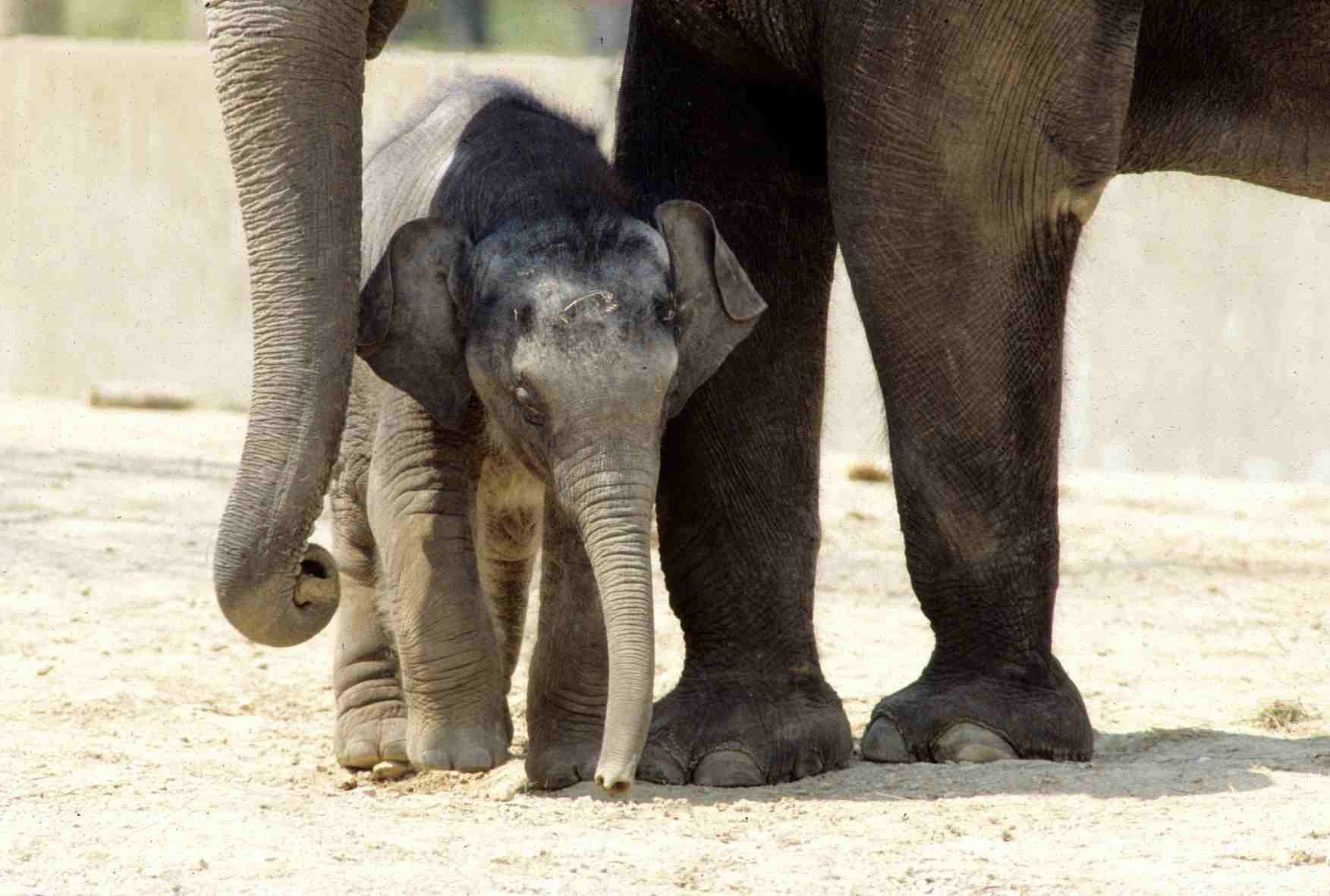
Asian Elephants at the Saint Louis Zoo
River’s Edge is home to an eight-member, four-generation family of Asian elephants:
- Raja, 33: Father to Maliha, Jade and Priya; grandfather to Jet
- Pearl, 55: Mother to Raja; great-grandmother to Jet
- Ellie, 55: Mother to Maliha and Priya; grandmother to Jade; great-grandmother to Jet
- Sri (pronounced “See”), 46: Unrelated “auntie” to Priya, Maliha, Jade and Jet
- Maliha, 20: Ellie and Raja’s daughter (born August 2006)
- Jade, 19: Raja’s daughter; mother to Jet (born February 2007)
- Priya, 13: Ellie and Raja’s daughter (born April 2013)
- Jet, 1: Jade’s son and Raja’s grandson (born November 2024)
“All elephants have access to spacious, natural and diverse habitats at River’s Edge. They receive nutritious food and specialized health care. They also receive dynamic daily enrichment items that promote positive mental and physical activity and stimulate natural behaviors. Breeding and calf rearing is one important part of our robust, multi-faceted animal wellbeing program, and important to the elephants’ social structure,” said Regina Mossotti, Vice President of Animal Care, Saint Louis Zoo.
Asian Elephant Conservation
There are less than 50,000 Asian elephants left in the wild, and they are facing extinction due to habitat loss and poaching. Given the shrinking population of Asian elephants, the Saint Louis Zoo is committed to conserving this endangered species.
The Saint Louis Zoo supports Asian elephant conservation through participation in the AZA Saving Animals From Extinction (SAFE) Asian Elephant Program and International Elephant Foundation. The Saint Louis Zoo WildCare Institute Center for Asian Elephant Conservation supports the welfare and conservation of Asian elephants in Laos, Sumatra and other Asian countries.
In addition, the Saint Louis Zoo WildCare Institute Center for Conservation in the Horn of Africa supports the conservation of African elephants in Kenya through the Northern Rangelands Trust. North American population of Asian elephants acts as an assurance population for their wild counterparts, to help ensure the future of this important species.
About Saint Louis Zoo
Home to 12,500 animals, representing over 450 species, the Saint Louis Zoo is recognized worldwide for its innovative approaches to animal care and management, wildlife conservation, research and education. Twice voted “Best Free Attraction” in the nation, the Saint Louis Zoo is one of the only free zoos in the country. Accredited by the Association of Zoos and Aquariums (AZA), the Saint Louis Zoo is part of an elite group of institutions that meet the highest standards in animal care as well as provide fun, safe and educational family experiences. The Saint Louis Zoo and other AZA-accredited institutions collectively dedicate millions of dollars annually to support scientific research, conservation and education programs. For more information, visit stlzoo.org.