ST. LOUIS (Oct. 15, 2026) — A 5-year-old female polar bear named Laerke (pronounced LAIR-keh) from Point Defiance Zoo & Aquarium in Tacoma, Wash., is expected to move to the Saint Louis Zoo this fall to join almost-4-year-old male polar bear Kallu. The bears are being paired together on a breeding recommendation with the hope of welcoming cubs someday.
“We look forward to welcoming Laerke in St. Louis,” said Julie Hartell-DeNardo, the Saint Louis Zoo’s Kevin Beckmann Curator of Carnivores. “Polar bears are facing serious challenges to their survival. Polar bears in zoos not only inspire connection and conservation action, they also play a valuable role in helping experts understand their species' biology and behaviors."
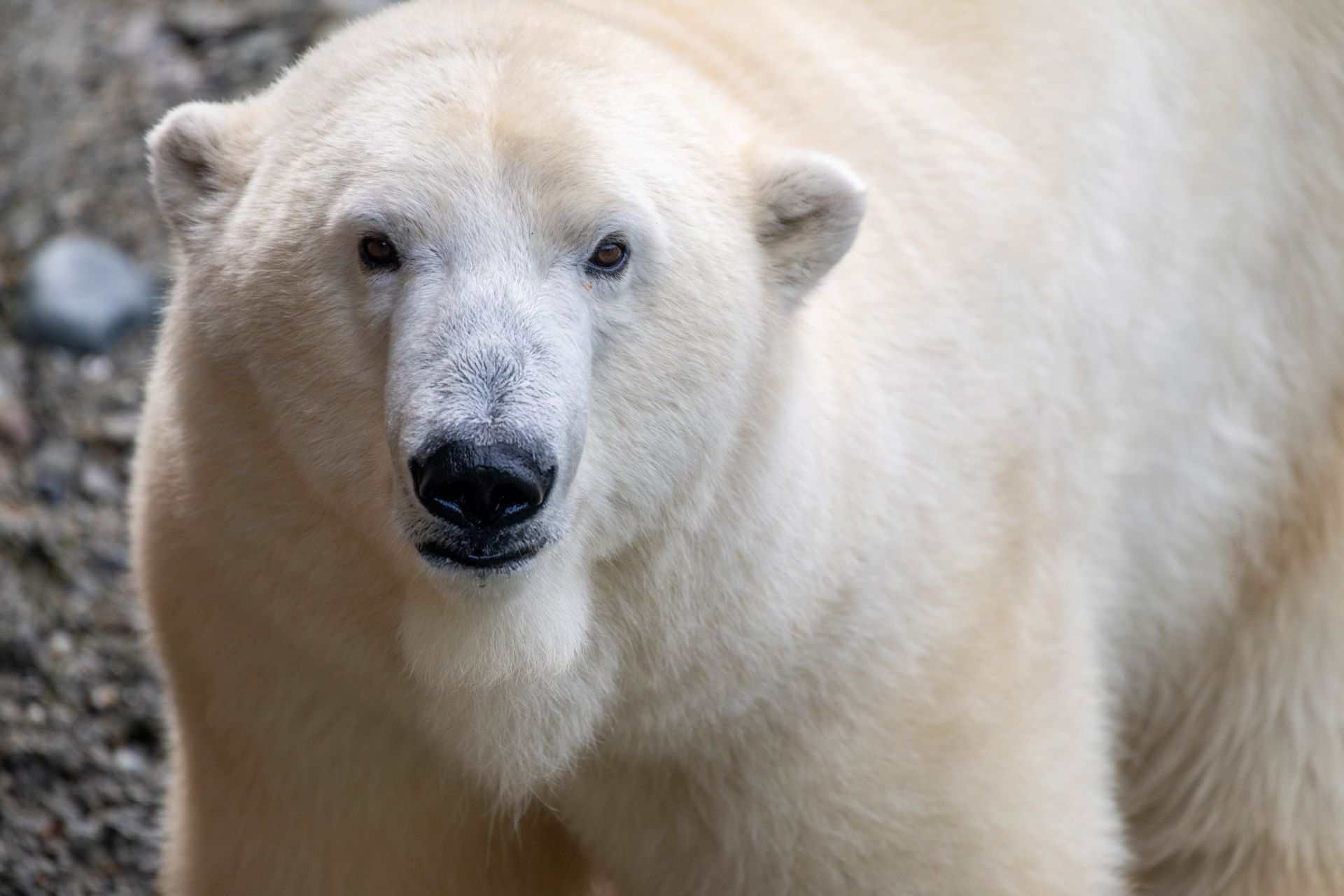
Polar bears are classified as threatened under the U.S. Endangered Species Act and face a high risk of global extinction due to changes in their Arctic habitat. Laerke’s move is part of a comprehensive species recovery plan by the Polar Bear Population Alliance (PBPA)—a new consortium of Association of Zoos and Aquariums (AZA)-accredited organizations focused on maintaining a sustainable, genetically diverse polar bear population in the United States.
“Every move like this represents an important step toward securing the future of polar bears,” said Matt Thompson, spokesperson for the Polar Bear Population Alliance. “PBPA brings institutions together around a shared responsibility to build a healthy, genetically diverse and sustainable population for generations to come. Laerke’s move to Saint Louis, and the opportunity to pair her with Kallu, is exactly the kind of strategic, coordinated action that will be essential to achieving that goal.”
Laerke is expected to make her public debut at McDonnell Polar Bear Point this fall or winter after a quarantine and acclimation period. Introductions between Kallu and Laerke will take some time, and guests may not see the pair together in the habitat until early next year.
About Laerke and Kallu
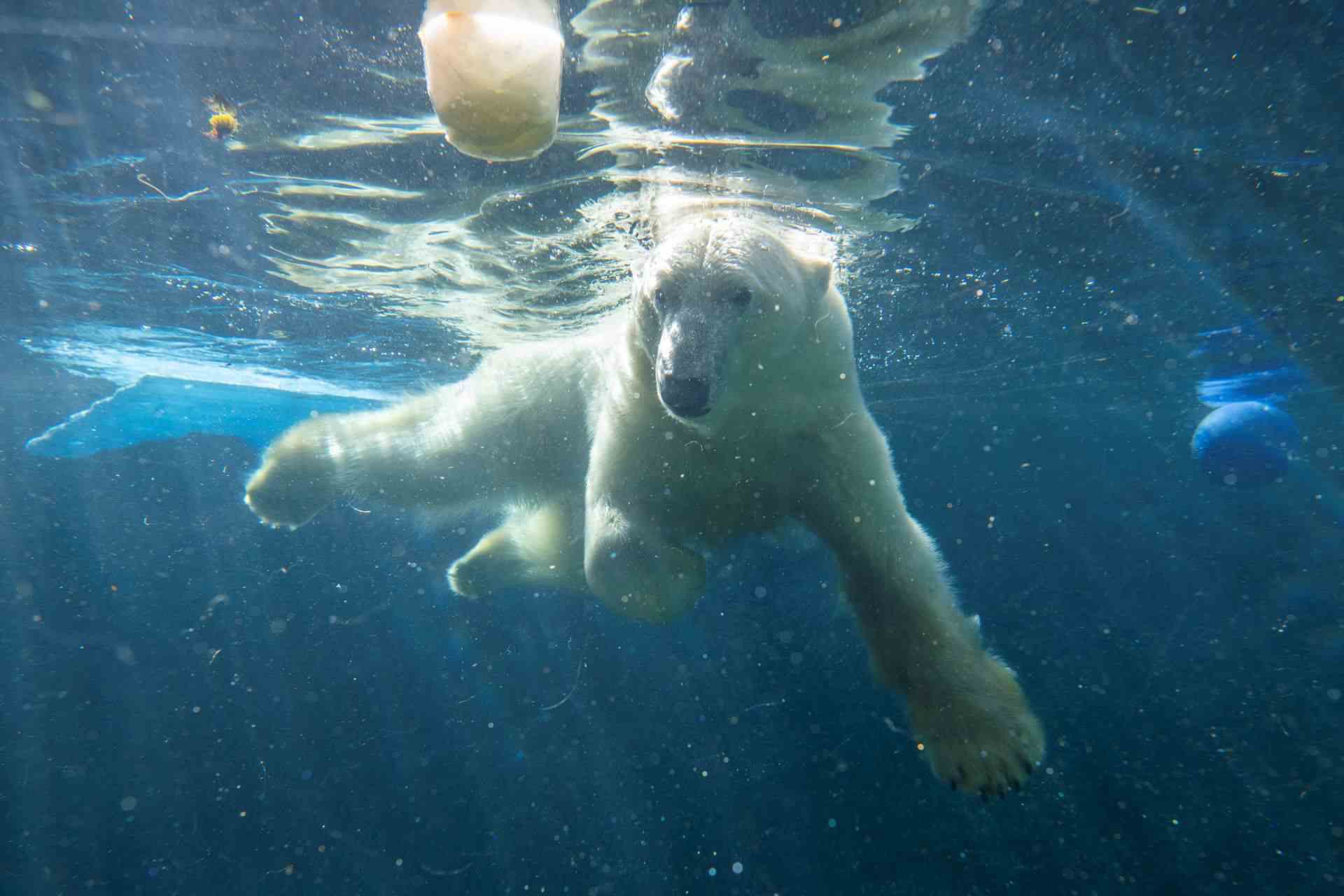
Laerke had a difficult start in life. Following a medical emergency shortly after her birth at Detroit Zoo in November 2020, ongoing health issues meant she required intensive, hands-on care and was ultimately hand-reared by humans. At about 9 months old, she was paired with an orphaned grizzly bear cub to help each of them build social skills and gain companionship. Laerke and her twin sister Astra were reunited at age 2 and moved together to Point Defiance Zoo in 2023.
Even though Laerke was hand-reared, her care team hopes her journey to motherhood will be instinctual. Female polar bears typically become reproductively mature between 4 and 6 years old. Point Defiance Zoo veterinarians have monitored Laerke’s hormone levels for the past year, which indicate she has started estrus cycling.
The Saint Louis Zoo’s animal care team is working closely with Point Defiance Zoo keepers to learn Laerke’s individual needs, routines, favorite foods and activities to support a smooth transition to her new home.
Kallu and his twin brother Kallik were born at Toledo Zoo & Aquarium Nov. 11, 2022, and moved to the Saint Louis Zoo in March 2025. Kallu now weighs over 920 pounds, and his care team describes him as a smart, calm, curious and playful bear. As the brothers reached an age where they would naturally seek more independence, Kallik moved to the Oregon Zoo in January 2026.
Polar Bear Conservation at the Saint Louis Zoo
The Saint Louis Zoo is committed to safeguarding polar bears through collaborative breeding programs, education and conservation initiatives in the Arctic.
In 2024, the Zoo launched the Saint Louis Zoo WildCare Institute Center for Polar Bear Conservation, a dynamic conservation program focused on protecting polar bears and collaborating with Arctic communities.
Current initiatives include:
- Partnering with global nonprofit Polar Bears International to help fund research on ecological and population studies of polar bears.
- Supporting programs in Alaska Native villages to minimize human-polar bear conflict.
Using Zoo outreach to educate guests and amplify perspectives from Alaska Native communities.
About Polar Bears
Polar bears (Ursus maritimus) are marine mammals, yet they are known as the largest living land carnivore in the world. They were the first species to be listed as threatened under the Endangered Species Act primarily due to climate change. Rising global temperatures are causing rapid and significant changes to polar bears’ Arctic habitat. As sea ice melts, polar bears are forced to swim longer distances across open water in search of prey, often entering periods of fasting and living off fat stores. These fasting periods have long-term impacts, as they are especially detrimental to young bears and breeding adults that require plentiful prey to reproduce.
The wild population faces a high risk of global extinction, as research projects that up to two-thirds of the polar bear population could disappear by the end of the century. As the top predator in the Arctic ecosystem, their decline is an indicator of the silent loss of a complex world of organisms that have evolved to thrive in this harsh and inhospitable icy world.
Finding solutions for the conservation of wild polar bears is no easy task, as researchers work in remote regions where winter darkness lasts for months and temperatures can drop to -50°F. Political, language and cultural barriers add to the challenges. Polar bears in zoos and aquariums play an important role by helping scientists learn more about their nutrition, metabolism and survival strategies. They also assist in evaluating new tools, such as advanced tracking systems, that will one day improve research in the wild. This collaboration allows wildlife managers to anticipate challenges and develop strategies to help polar bears endure in a changing Arctic.
More Information
The Zoo will provide regular photo and video updates to social media and the Zoo website: stlzoo.org/news.
About Saint Louis Zoo
Home to 12,500 animals, representing over 450 species, the Saint Louis Zoo is recognized worldwide for its innovative approaches to animal care and management, wildlife conservation, research and education. Twice voted “Best Free Attraction” in the nation, the Saint Louis Zoo is one of the only free zoos in the country. Accredited by the Association of Zoos and Aquariums (AZA), the Saint Louis Zoo is part of an elite group of institutions that meet the highest standards in animal care as well as provide fun, safe and educational family experiences. The Saint Louis Zoo and other AZA-accredited institutions collectively dedicate millions of dollars annually to support scientific research, conservation and education programs. For more information, visit stlzoo.org.