
Center for Polar Bear Conservation
Polar Bears
The polar bear is an iconic Arctic species that is seriously threatened by the loss of critical sea ice habitat caused by climate change.
The species is classified as vulnerable with about 26,000 polar bears remaining in the Arctic today across about 20 subpopulations, according to the most recent estimates from IUCN.
Polar bears depend entirely on the Arctic marine ecosystem (sea ice) for survival, including hunting, breeding and resting. Their connection to the ocean is so essential that they're classified as marine mammals, and their scientific name, Ursus maritimus, means "sea bear." As apex predators, polar bears are crucial in maintaining the health of their ecosystem.
The Saint Louis Zoo is committed to supporting a future that includes a healthy Arctic for polar bears and people to thrive.
St. Louis Interest
The Center for Polar Bear Conservation builds on the Saint Louis Zoo's longstanding dedication to polar bears, including more than two decades of species conservation programs and more than 90 years of caring for polar bears at the Zoo.
Founded in 2024, the Center expands on this foundation in partnership with organizations including Polar Bears International and Alaska Native communities, who have lived alongside polar bears since time immemorial. These communities’ perspectives, stories, and knowledge continue to shape how Zoo guests learn about polar bears and climate change.
The Center also works closely with the U.S. Fish and Wildlife Service and the Alaska Nannut Co-Management Council (ANCC) which support polar bear co-management in Alaska today.
Goal:
The Center aims to build a holistic, adaptable conservation program to support polar bears and the people who live alongside them, grounded in three pillars for conservation success.
Human Dimensions of Wildlife Conservation
The Center works to inform the public, amplify Indigenous perspectives and inspire action around polar bear conservation.
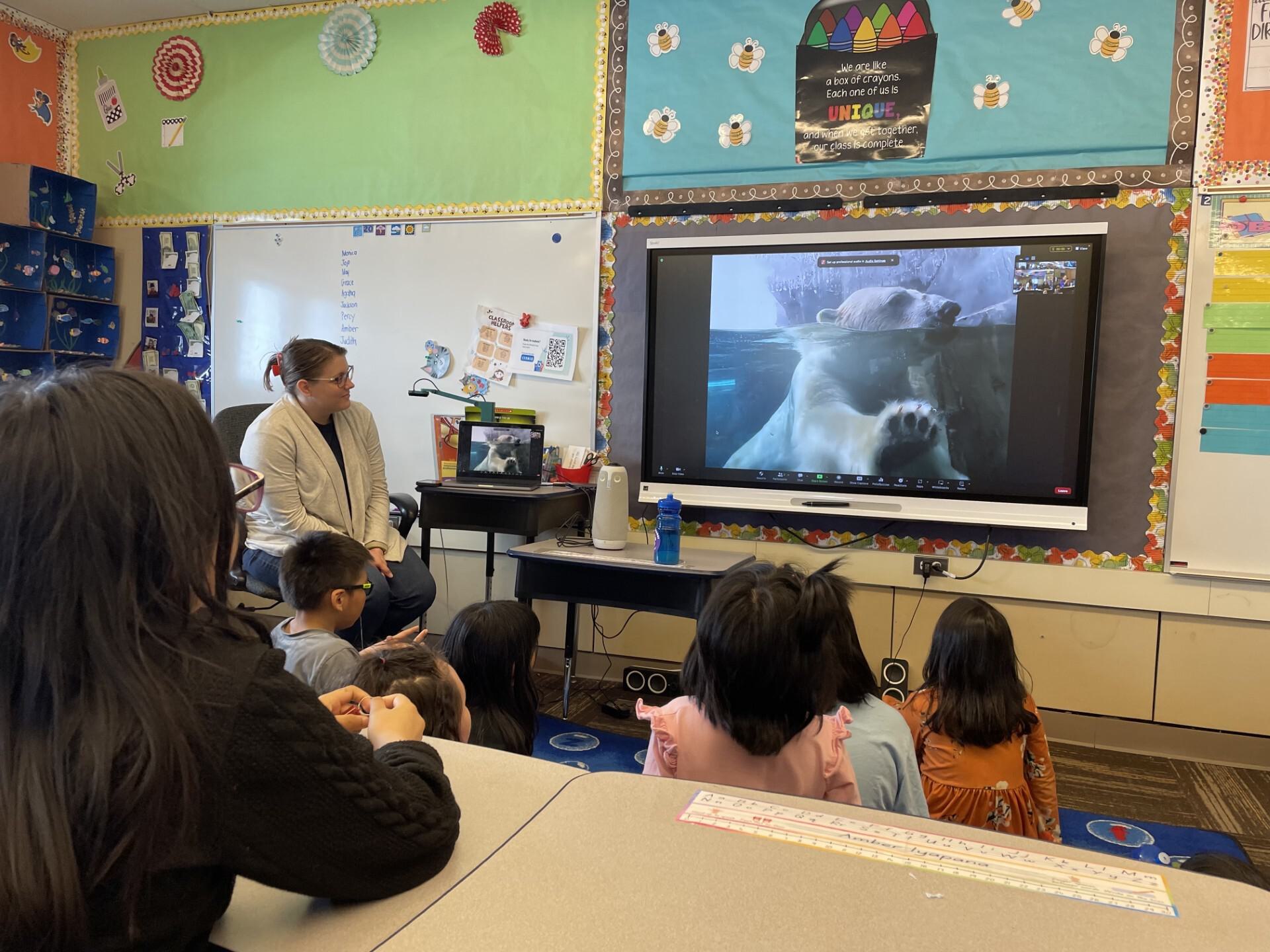
Beginning in 2013, the Zoo partnered with Alaska Native communities to both co-develop messaging for its polar bear habitat, McDonnell Polar Bear Point, and create in-person educational programming in Alaska Native village schools. Since the partnership began, Zoo staff have regularly visited Alaska Native partner villages to support community projects and lead STEM-based educational programs in local schools.
Today, McDonnell Polar Bear Point invites guests to experience Northwest Alaska through the voices of Indigenous people with extensive, direct experience of polar bears, subsistence hunting and a changing climate. Hear their stories and learn more about McDonnell Polar Bear Point here.
Wildlife Management and Recovery
In Northwestern Alaska, changing habitats are creating more encounters between people and polar bears, often leading to dangerous situations.
In partnership with World Wildlife Fund (WWF), ANCC and USFWS, the Center supports efforts to mitigate human-polar bear conflict by providing local communities with non-lethal polar bear deterrence methods. These tools help keep both people and bears safe during accidental encounters, or in situations where legal subsistence hunters would prefer not to harvest a bear.
Conservation Science
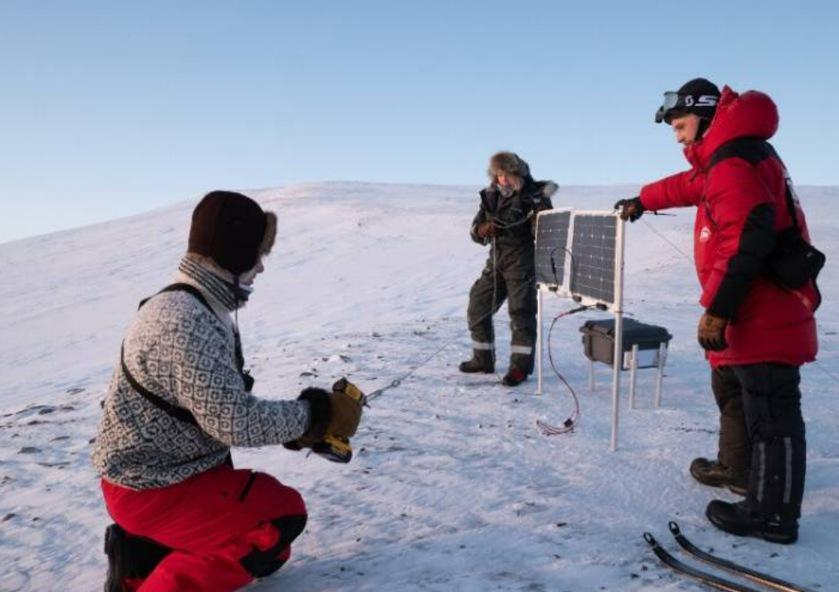
The Center supports fundamental science studies, including long-term monitoring and understanding limitations for polar bears in the warming Arctic through the Zoo's partners with Polar Bears International. The Zoo also supports research into new technology that could significantly advance how polar bears are studied.
Historically, tracking collars have been the primary research tool, but their use has been limited to adult females — collars don't fit the neck shape of adult males or accommodate growing cubs. Changing landscapes also limit the opportunities for conservation scientists to apply tracking collars and other data collection methods.
The Center supporting work by partners on advancing techniques and technology that can improve data collection on polar bears under changing ice conditions as well as expanding data collection to parts of the population that have not been previously studied due to technological limitations.