Helping the Cuban Crocodile

Conservation Priority
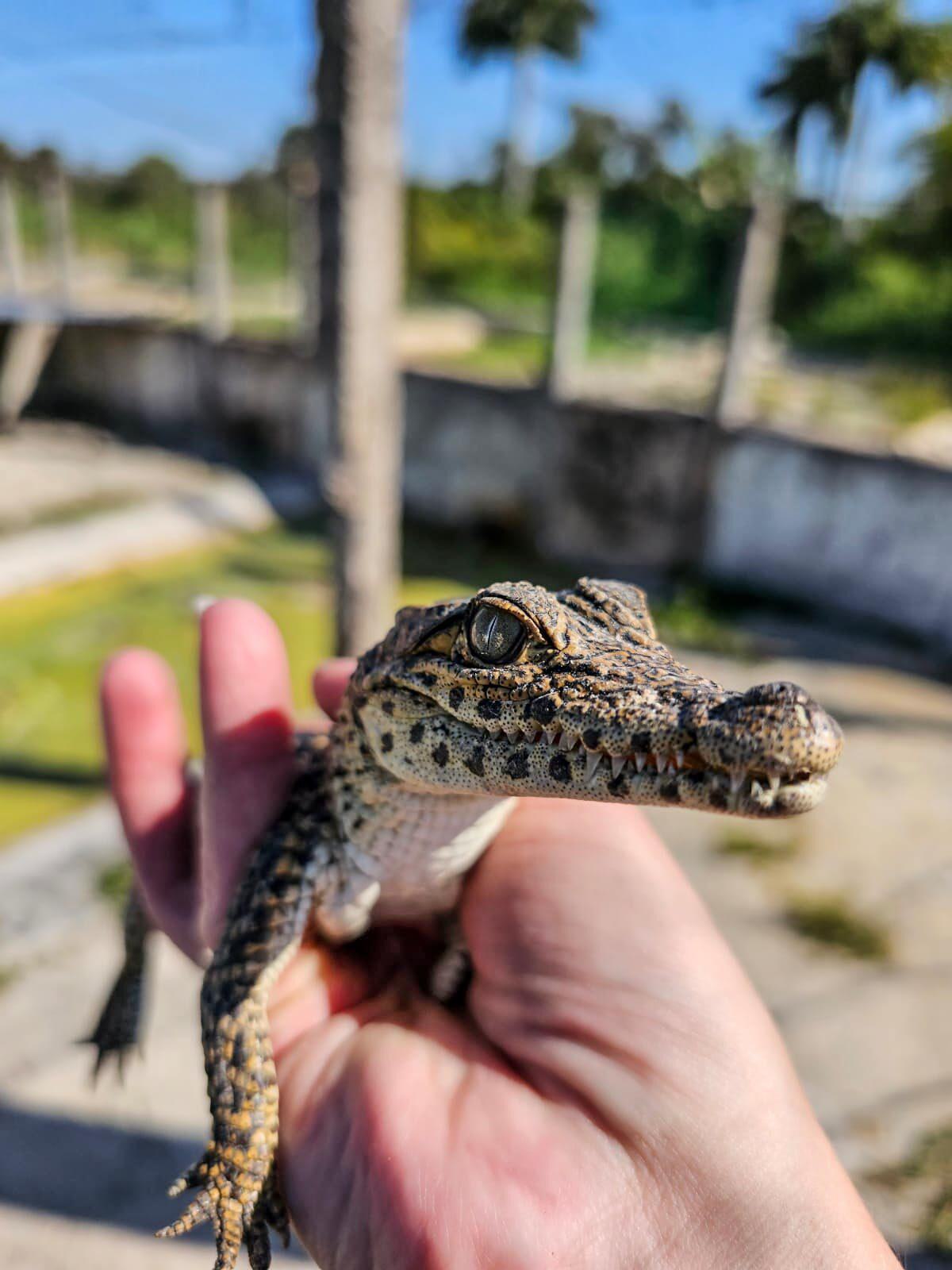
The Zapata Swamp, the largest wetland in the Caribbean, is home to two crocodile species, the critically endangered Cuban crocodile and the American crocodile. Current threats to both species include illegal hunting, habitat loss and hybridization (breeding between the two species). The Cuban crocodile is arguably the most morphologically, ecologically and behaviorally distinct species of crocodile in the world and has the smallest known range of any living crocodilian. Both species in Cuba are of high priority from a conservation standpoint. Furthermore, the Zapata Swamp is considered one of Cuba’s most endangered ecosystems and is threatened by agricultural expansion and pollution, local charcoal production, livestock grazing, extraction of peat (decomposed plant material) for human use, exotic species introductions and the effects of global climate change.
Partner
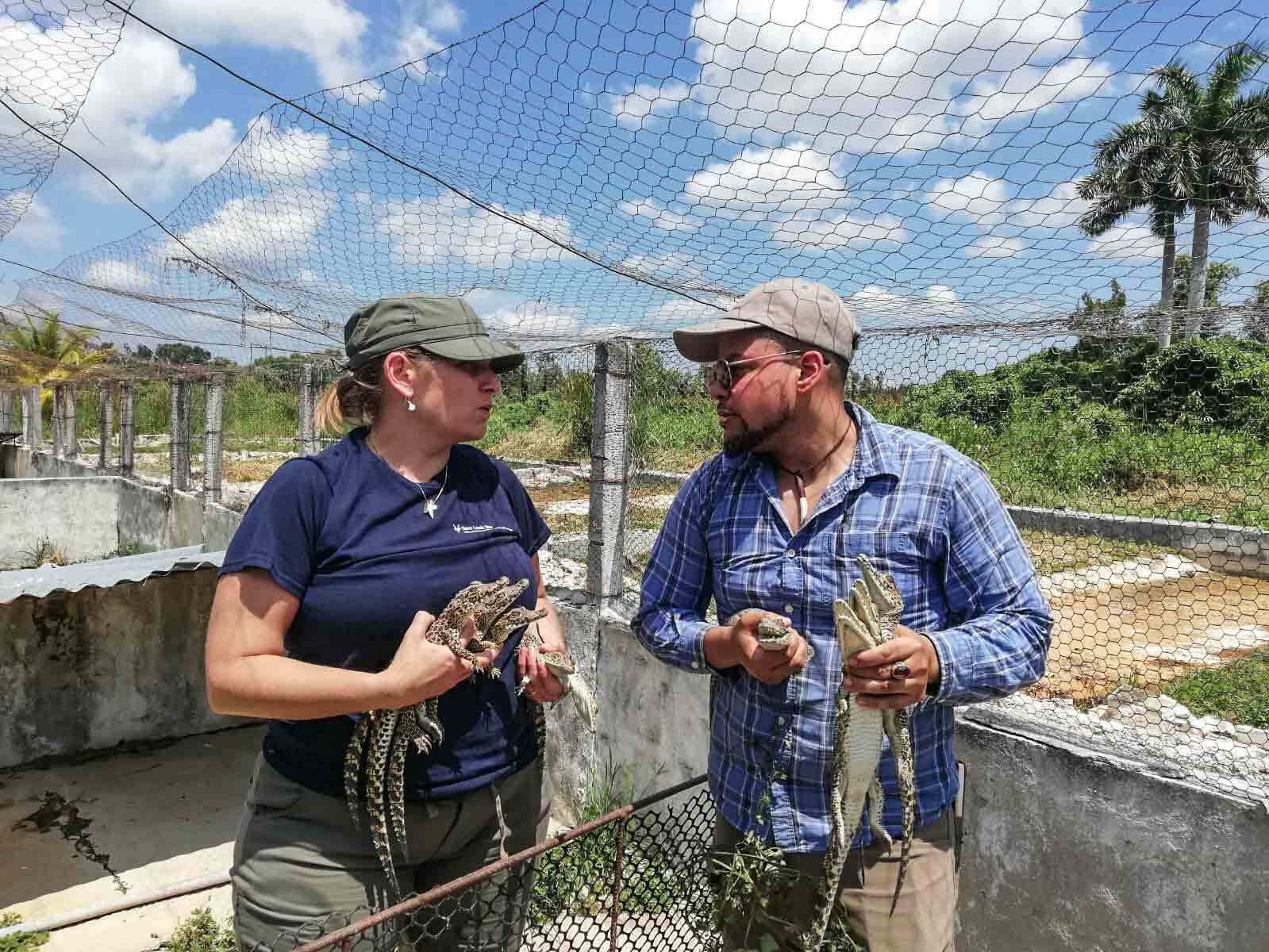
The Zapata Crocodile Farm (ZCF), formally identified as the Enterprise for the Conservation of the Zapata Swamp, began managing Cuban crocodiles and American crocodiles in 1959. Today they focus on their genetically pure population of Cuban crocodiles, with the goal of conservation breeding for reintroduction into the Zapata Swamp.
The Saint Louis Zoo Institute for Conservation Medicine (ICM) began working with the ZCF in 2018. In 2019 this project became a formal program of the Saint Louis Zoo WildCare Institute (WCI). The passion of our Cuban partners at the ZCF has driven the conservation of this species, despite limited resources in-situ. To date, conservation efforts in Cuba include population surveys, genetic studies, health studies, GPS tracking, and the repatriation, or return, of farm-hatched offspring into the Zapata Swamp.
Our Goals
Crocodiles are considered ecosystem engineers as sentinels for ecosystem health. Through this partnership and our research, we are working to better understand this unique species and conserve it and the Zapata swamp for all of the species that call it home, including humans. Our goals through this partnership are as follows 1) build a conservation health program starting with crocodiles in Cuba using a One Health framework, 2) build local capacity and provide resources for Cuban scientists, and 3) provide support and resources for our Cuban conservation education partners.
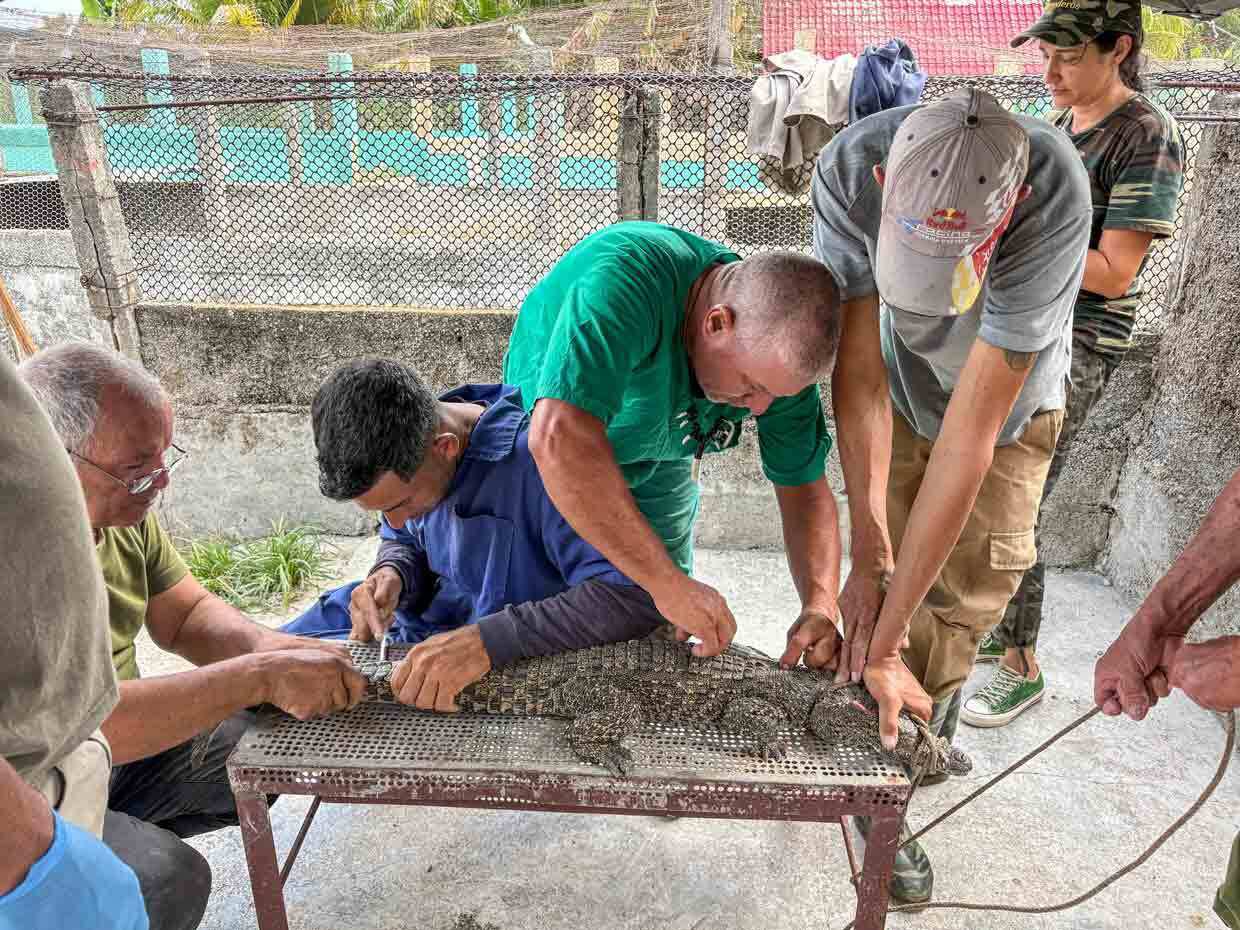
We first collected health samples from Cuban crocodiles in 2018. We are now working together to study the health of both free-living and farmed Cuban and American crocodiles in Cuba. In April 2026, we performed pre-release health assessments of juvenile Cuban crocodiles slated for release in 2026. Pathogen testing of the samples collected will be performed at the Saint Louis Zoo once CITES import permits are received.
We are a member of the AZA SAFE program for Cuban crocodiles and work with other AZA Zoos on other aspects of crocodile conservation.