
Saint Louis Zoo
Sears Lehmann, Jr. Wildlife Reserve
The Saint Louis Zoo Sears Lehmann, Jr. Wildlife Reserve is a 355-acre natural area located 40 miles southwest of St. Louis in Franklin County.

American Red Wolf Conservation
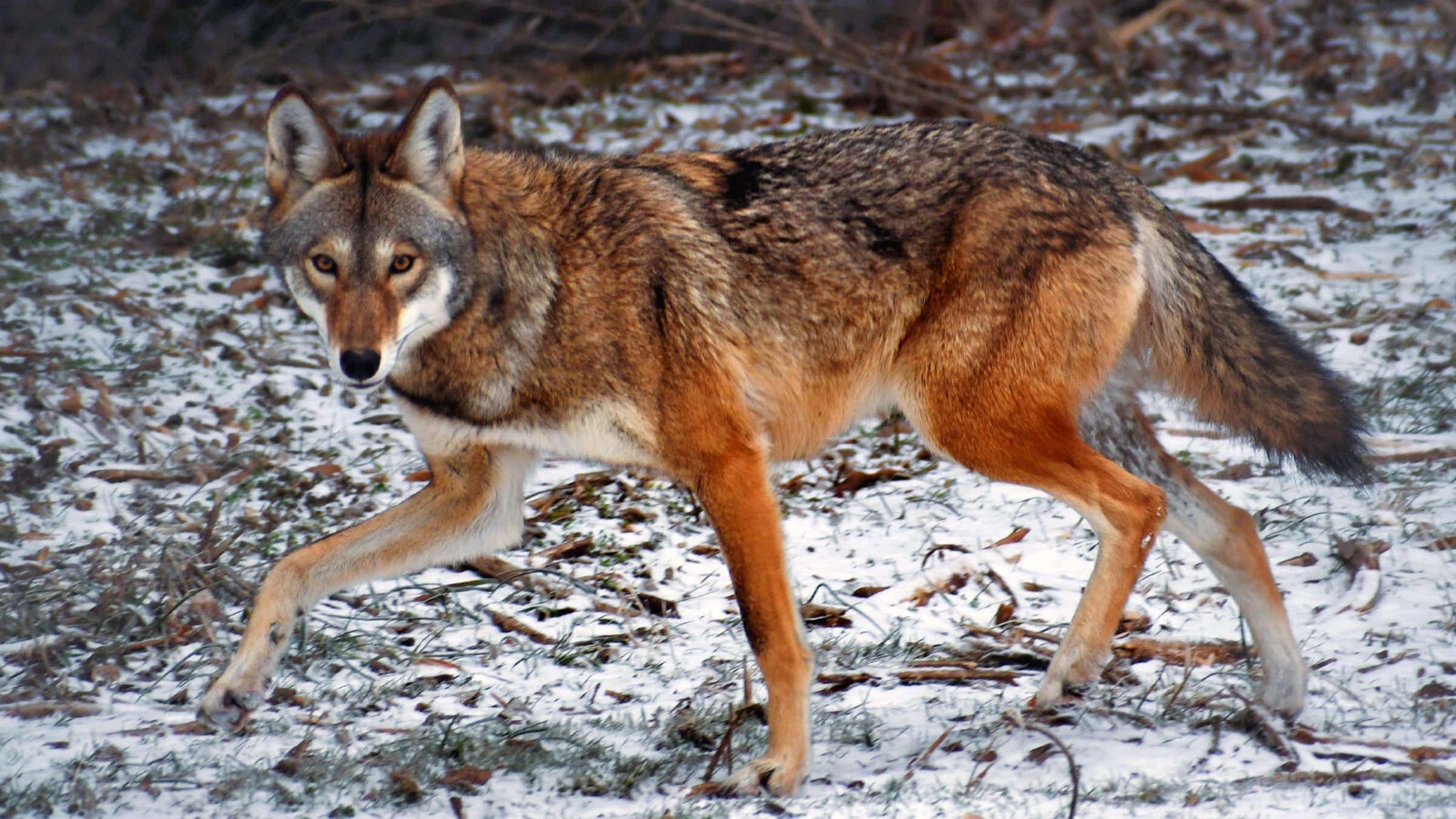
The Wildlife Reserve is home to a 20-acre conservation center dedicated to the most endangered wolf in the world: the American Red Wolf. Red Wolves were once common across much of the eastern United States, but tragically this all-American species is critically endangered today. Less than 40 Red Wolves remain in the wild.
The Wildlife Reserve's Red Wolf program is part of a nationwide conservation breeding effort to grow the population of these irreplaceable animals.
History
Peggy Lehmann of St. Louis generously donated this property to the Zoo in honor of her late husband, Sears Lehmann, Jr. She envisioned the property as an area for wildlife and as a future location where the Zoo could expand its conservation and animal science programs.
Since taking over the land, the Saint Louis Zoo preserved the property as a natural site for native wildlife. In 2021, the Zoo announced its plans to develop a section of the land to help American Red Wolf conservation efforts.
About the wolves
The Wildlife Reserve is home to seven habitats designed to support breeding pairs and multiple family packs of American Red Wolves.
The first nine wolves arrived in 2022 and, since then, our packs have steadily grown. In 2024, the Wildlife Reserve celebrated a milestone with the birth of its first two successful Red Wolf litters. In 2026, three pups born at the Wildlife Reserve were successfully fostered into a wild Red Wolf family in North Carolina for the first time in Saint Louis Zoo history.
These successes are part of a larger conservation breeding effort working to grow populations of the species with only about 300 Red Wolves living in professional care today.
Every wolf at the Wildlife Reserve is considered a potential candidate for release into the wild. For this reason, the property is closed to the public to best prepare the wolves for potential release.
The Wildlife Reserve partners with the Association of Zoos and Aquariums’ (AZA) Red Wolf Saving Animals From Extinction (SAFE) program and the U.S. Fish and Wildlife Service to help ensure a future for this critically endangered species.
Native wildlife
Most of the Wildlife Reserve's 355 acres is an undeveloped natural area that supports native wildlife including birds, insects and reptiles. The Zoo has worked to remove invasive plants such as bush honeysuckle and Eastern red cedar to replace them with native trees, grasses and flowering perennials.