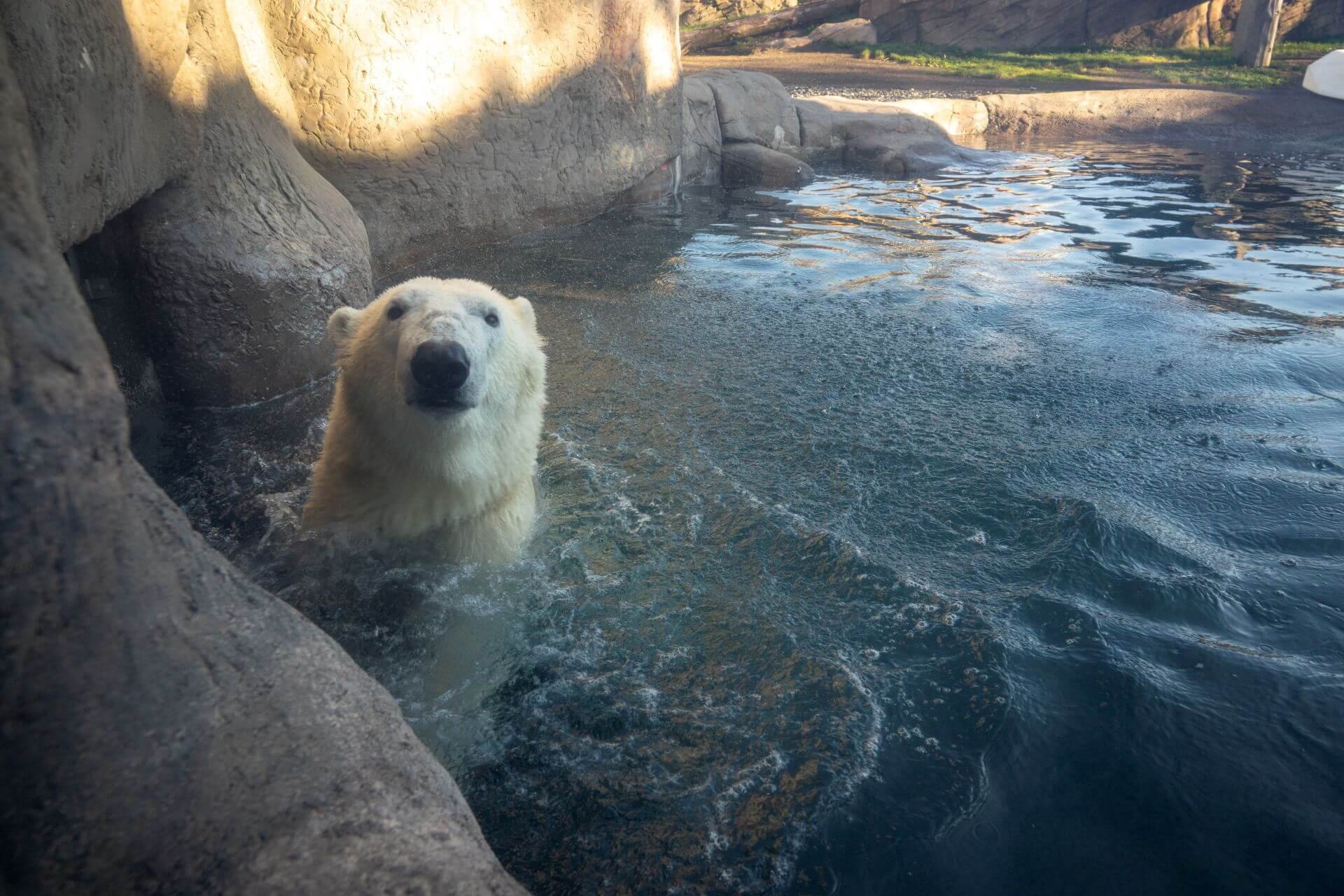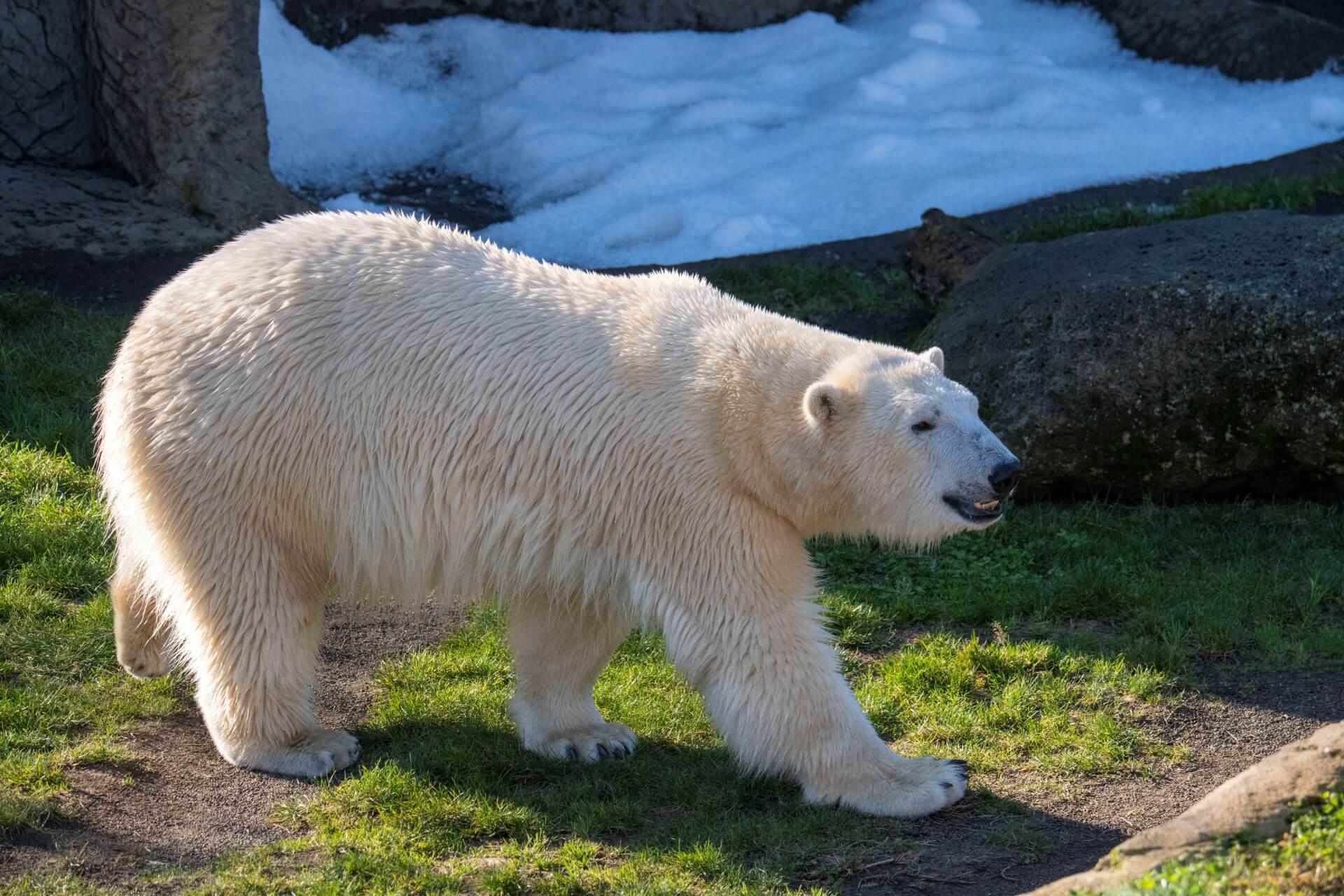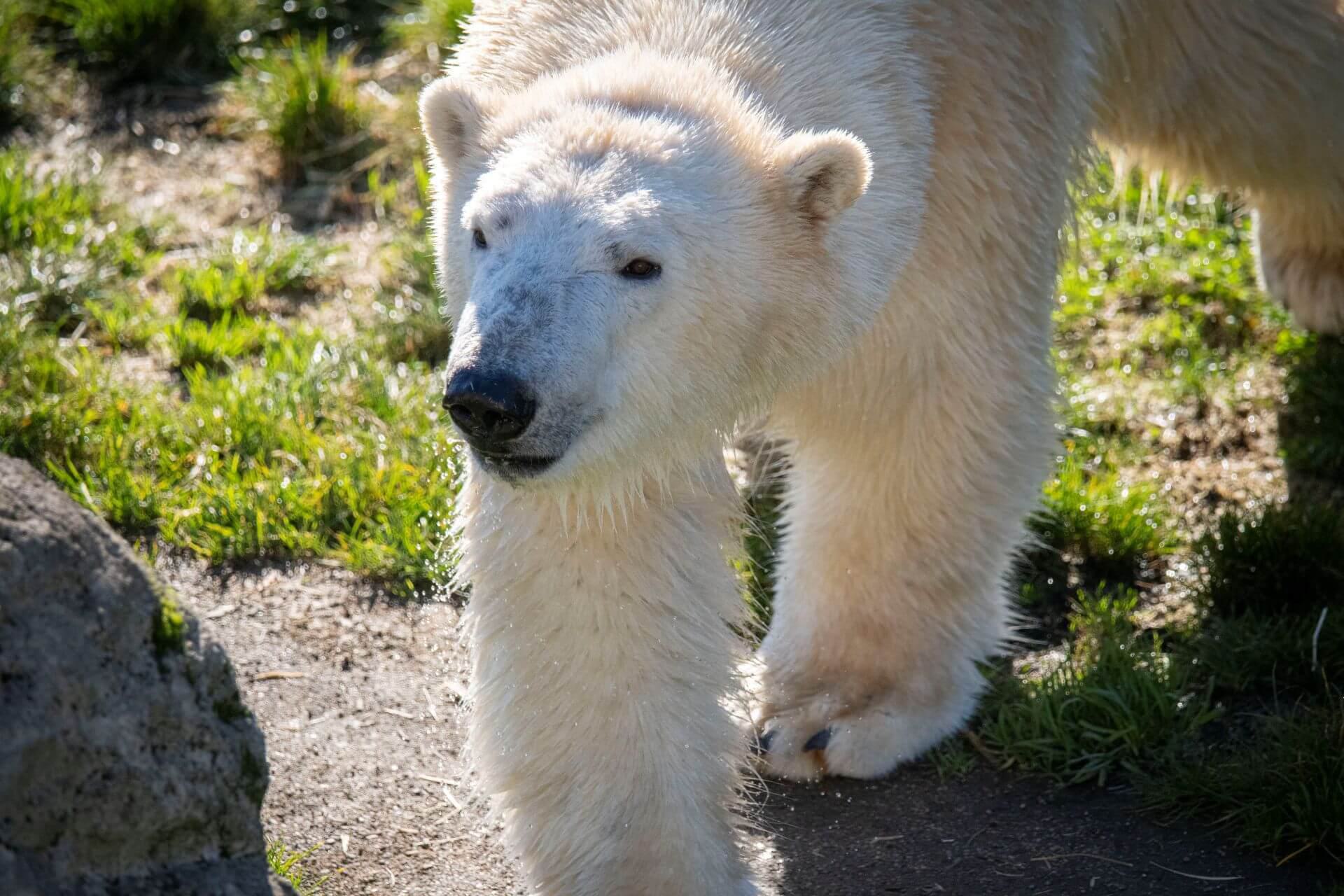
Polar bear Kallik recently moved from St. Louis to the Pacific Northwest where he is settling in well at Oregon Zoo.
A few months ago, we shared that Kallik would be leaving Saint Louis Zoo as part of a comprehensive plan by the Polar Bear Population Alliance — a consortium of Association of Zoos and Aquariums-accredited organizations focused on maintaining a sustainable, genetically diverse polar bear population in the U.S.
Oregon Zoo shared video of Kallik exploring his new Polar Passage habitat for the first time on Jan. 16, and he’s already making himself at home.
Kallik and his twin brother Kallu moved to St. Louis in March 2025. While Kallik was only at the Zoo for a short time, his energetic and playful personality captured the hearts of our guests and staff. His care team created fun enrichments for him to explore as he grew, and over the past few months, helped him prepare for his move.
His twin, Kallu, still resides at our McDonnell Polar Bear Point, and there are no plans for him to move at this time. The bears turned 3 years old in November, an important milestone in their “subadulthood.” From 2.5 to 5 years old, polar bears experience rapid growth and increased hormone production. This motivates male polar bears to seek more independence as they enter adulthood. By this age, polar bears generally lead solitary lives, except when they come together for breeding or when females are raising cubs. Separating Kallu and Kallik will help both males prepare for their next phase of life.
Polar bears are classified as threatened under the U.S. Endangered Species Act and face a risk of global extinction due to changes in their Arctic habitat. Saint Louis Zoo is committed to both supporting vital conservation of wild bears in the Arctic and sustaining a healthy safety net population of this incredible species in human care.
Be sure to stop by the Zoo soon to see Kallu this winter!
Photos of Kallik at Oregon Zoo