

Center for Conservation in Western Asia
Goal
The goal of this Center is to protect endangered vipers in Western Asia and prevent local and large scale extirpation events.
In order to protect species, we must have an extensive knowledge of their natural history, population sizes and geographical range. The Center for Conservation in Western Asia is working with local biologists throughout Western Asia to collect these data for endangered vipers and to develop conservation management plans. We also work to expand protected areas where these species occur and aid in educating local communities who share their home with these snakes.
We ultimately hope to contribute to the limited scientific data that exist for reptiles in the region while utilizing conservation management strategies to ensure these amazing animals and their habitat are protected from extinction.
Background
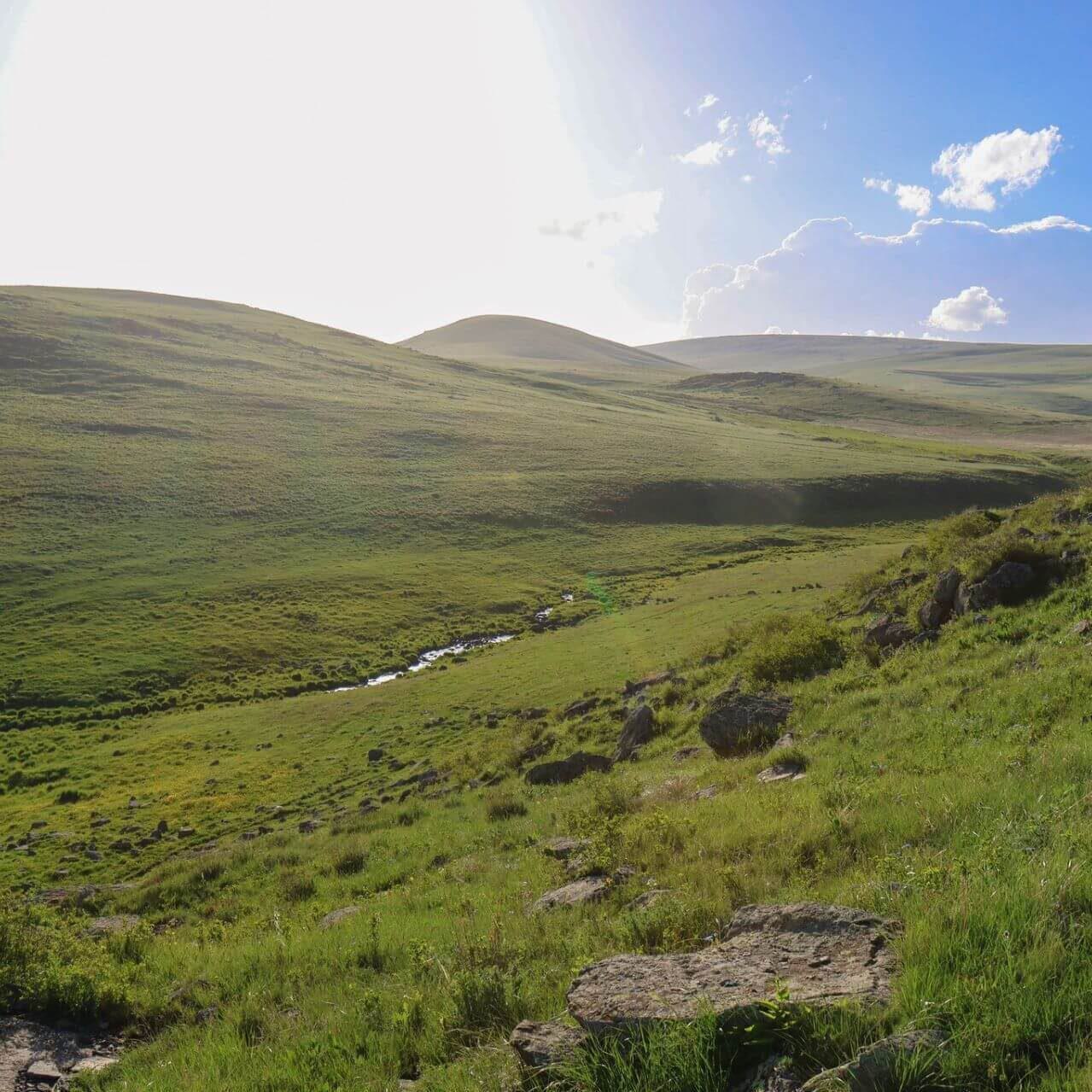
Western Asia acts as the biological crossroads between Europe and Asia and has an assemblage of reptile species found nowhere else in the world. For example, the Caucasus Mountains of Western Asia is home to nine threatened species of mountain and meadow vipers, the highest concentration of IUCN-threatened vipers in the world.
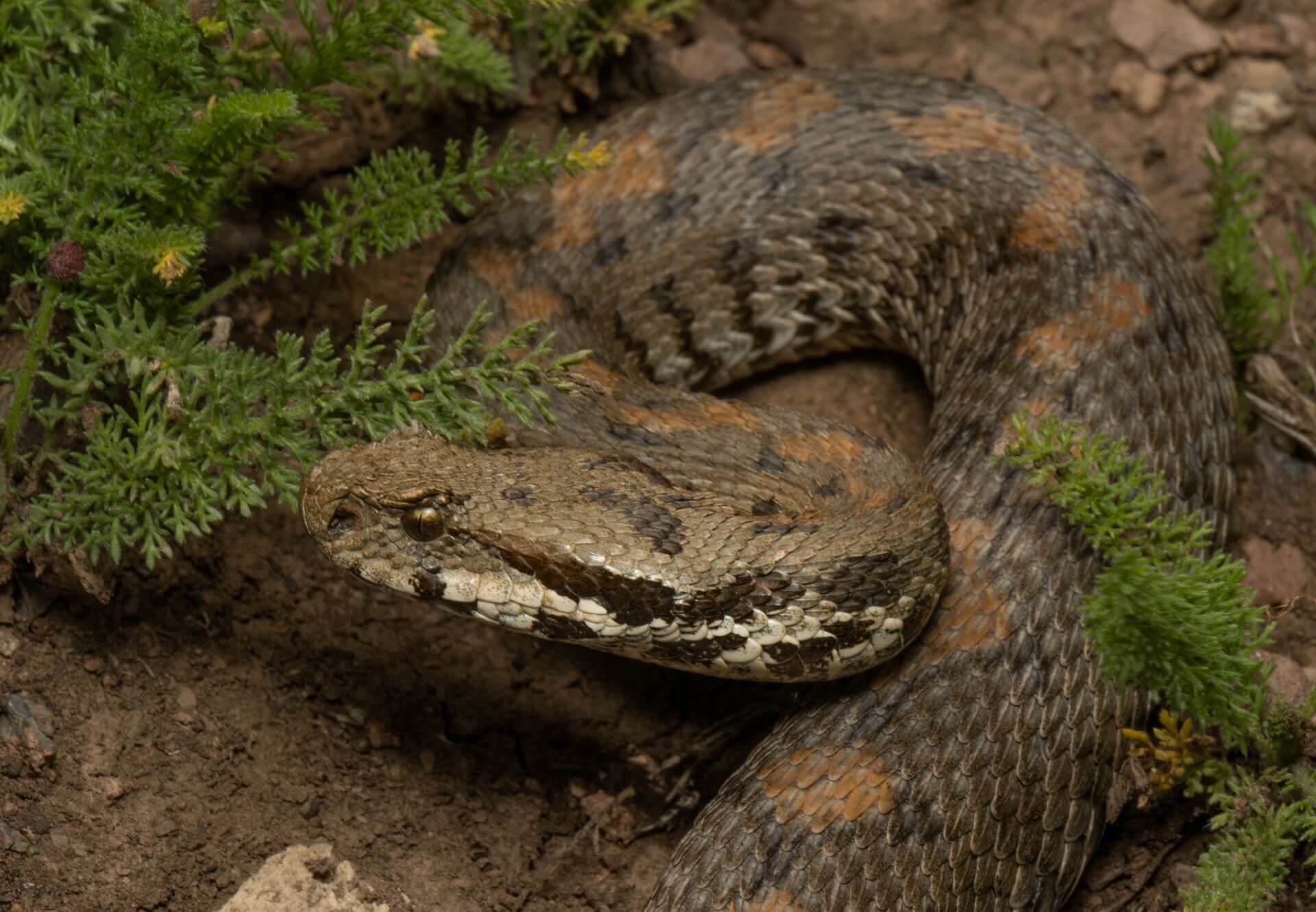
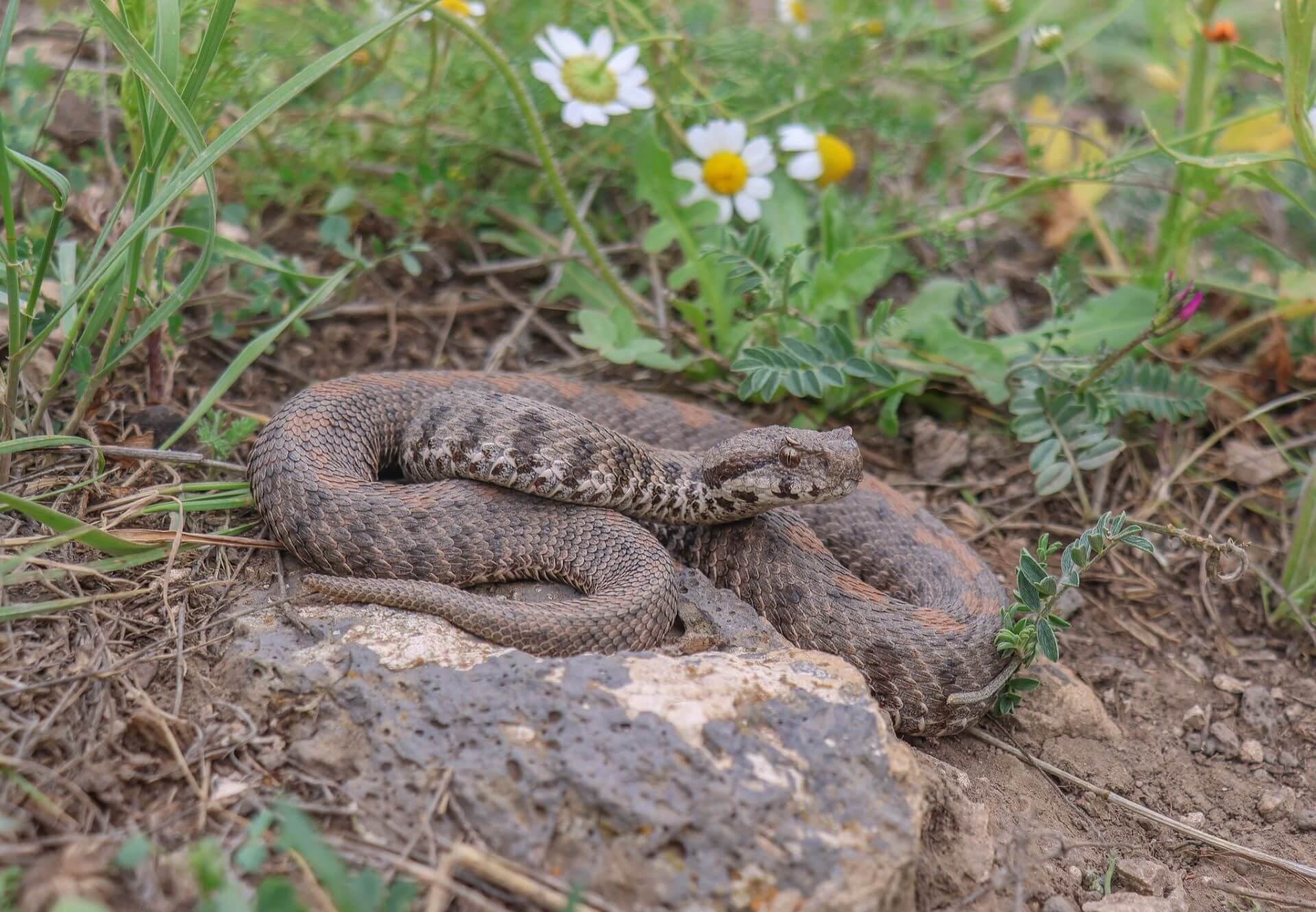
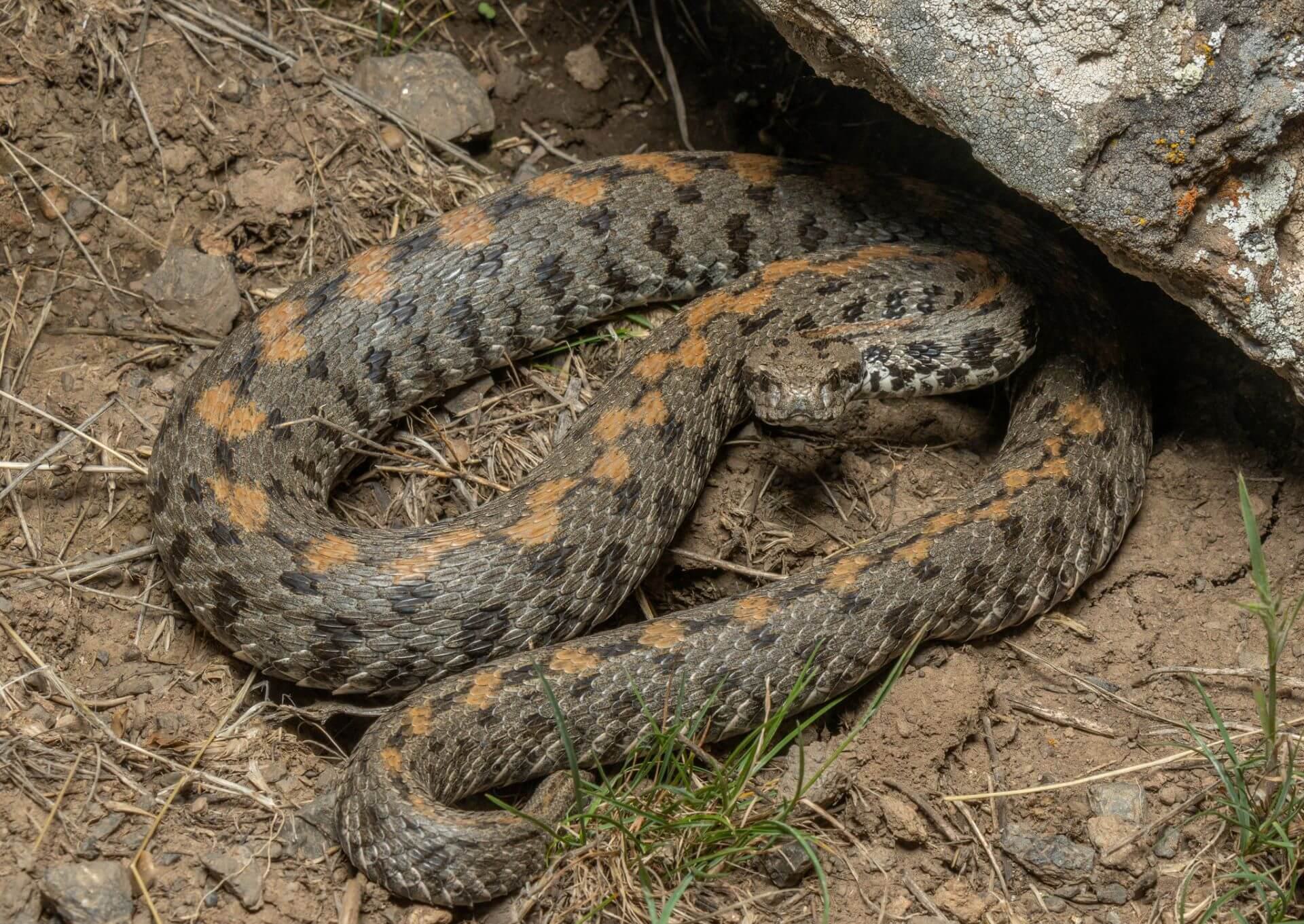
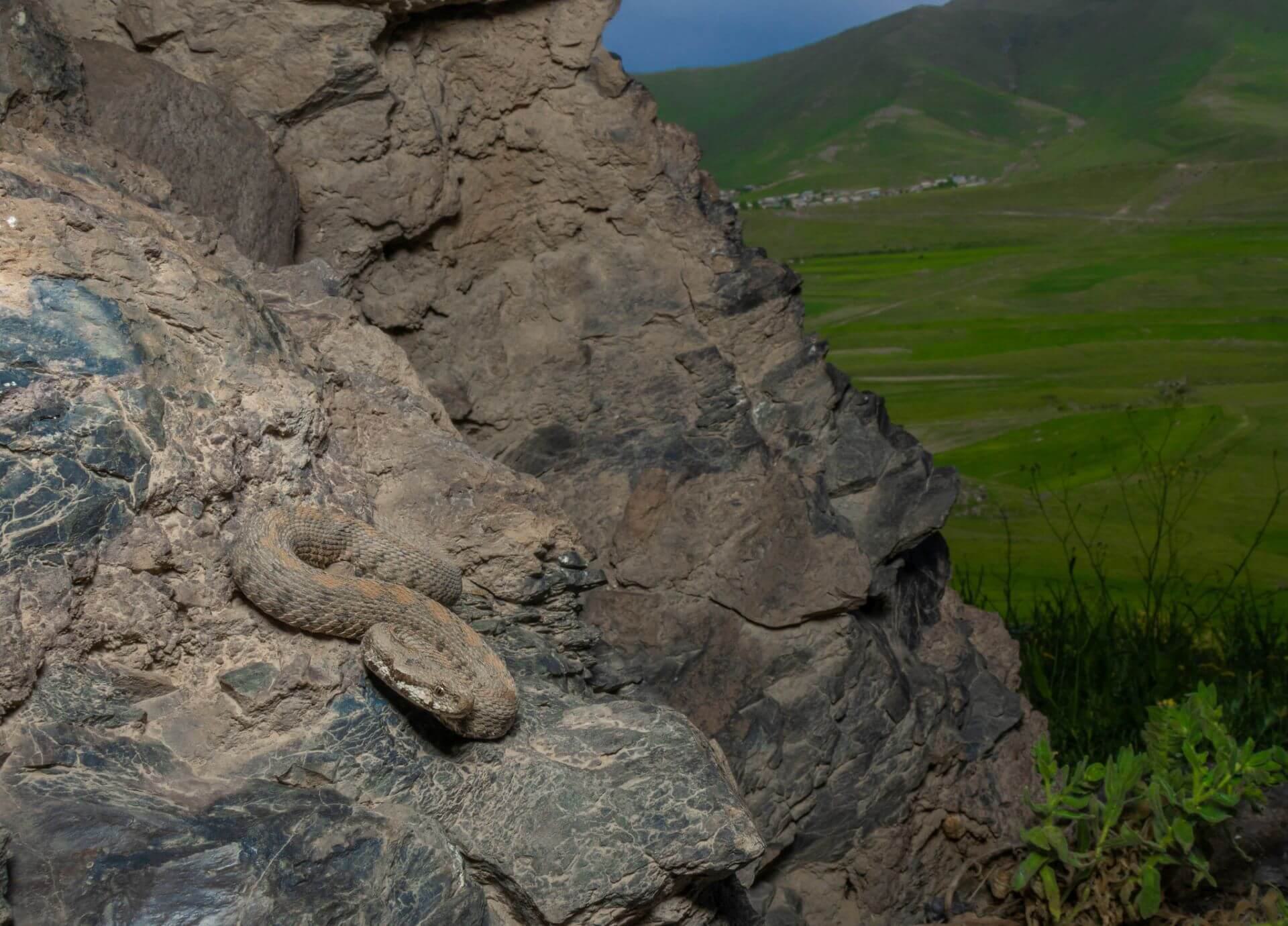
This WildCare Institute Center primarily works with rare and endangered mountain vipers, meadow vipers and other reptiles in remote mountainous regions, as these species and this region are highly underrepresented in conservation science. We have been studying and conserving vipers, such as the Armenian viper (Montivipera raddei) and Darevsky’s viper (Vipera darevskii), in Armenia and neighboring countries for over a decade. Through our work here we have helped to expand the boundaries of national parks as well as bring formal protections to important viper habitat.
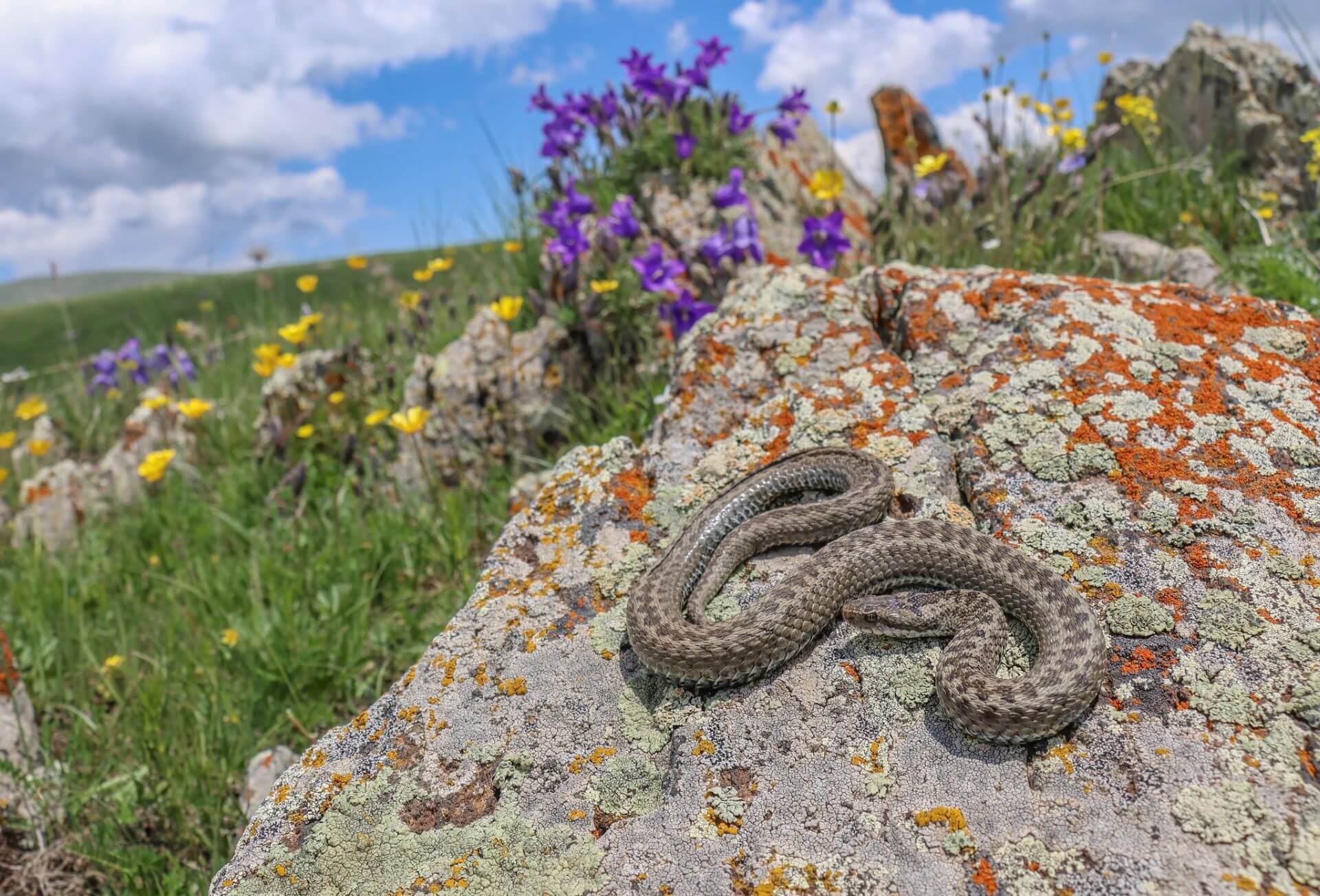
We also have made many important discoveries, such as new localities for endangered vipers, which directly influence their conservation management. Three biodiversity “hotspots” occur in Western Asia which harbor large percentages of the world’s plant and animal biodiversity. By studying and conserving vipers, we are helping to protect many other animal and plant species that are at risk of extinction. The greatest threats to biodiversity in Western Asia are overgrazing, mining, agricultural development, poaching and overharvesting of timber for fuel wood.
We carry out a variety of conservation initiatives in the region such as:
- Armenian viper and Darevsky’s viper long term population monitoring throughout the Republic of Armenia
- Expanding boundaries of national parks and working with local governments to bring formal protections to areas of vital habitat
- Herpetological inventory investigations throughout the regions of Western Asia
- Studies on genetic viability of Armenian viper populations
- Supporting meadow viper research throughout the Republic of Georgia
- Spatial ecology studies on Armenian vipers and Caucasus blunt-nosed vipers
- Providing support for protected areas’ operations and rangers
- Providing consult for herpetologists and conservationists throughout Western Asia
- Funding operations of a conservation and research facility in central Armenia
- Carrying out expeditions to remote regions to locate new localities of endangered reptiles
- Working with the IUCN Viper Specialist Group to construct management plans and up-to-date assessments
Conservation Science
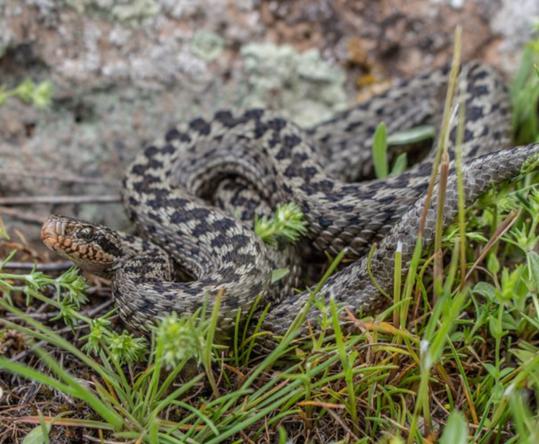
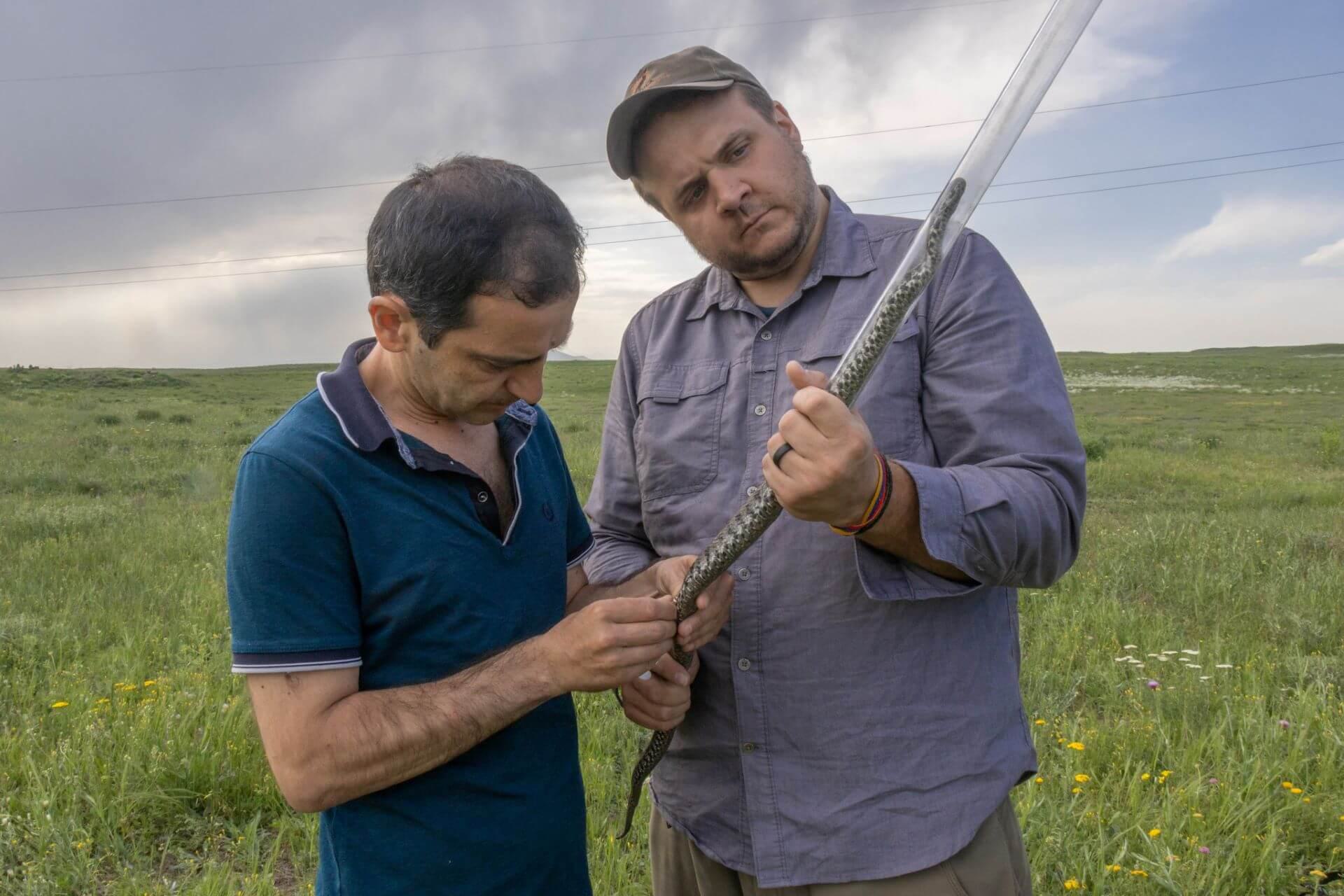
Mountain vipers (Montivipera sp.) and meadow vipers (Vipera sp.) are some of the most endangered groups of reptiles on the planet and this center has utilized a wealth of field techniques to study these snakes. Since the Center’s inception we have carried out radio telemetry studies on the Armenian viper as well as long term population monitoring for these snakes in multiple field sites. We also organize expeditions to remote areas of Armenia, Georgia and beyond to conduct formal surveys on these rare vipers. The first step in protection is often learning where animals occur and we regularly find new localities of vipers in the region via these expeditions.
In the country of Armenia we operate the Armenian Herpetological Research and Conservation Facility, a research facility dedicated to the study, rehabilitation and captive breeding of endangered reptile species. At this facility we hold assurance colonies for Armenian vipers and Armenian tortoises, breed animals for release to the wild in order to augment imperiled populations and educate local communities on native reptiles.
Partners
A truly unique international collaboration has been formed to bring experts from various organizations together to aid in the conservation to Western Asia’s vipers.
The Center is working with staff from the following and other international organizations:
Armenian National Academy of Sciences – Republic of Armenia
IUCN Viper Specialist Group
IDECC-Institute for Development and Ecology Conservation and Cooperation
Ilia State University
University of Missouri–St. Louis
We also work closely with Sedgwick County Zoo, Los Angeles Zoo and Jacksonville Zoo in the U.S. to maintain Armenian vipers and other species of mountain viper for public education and assurance colonies.